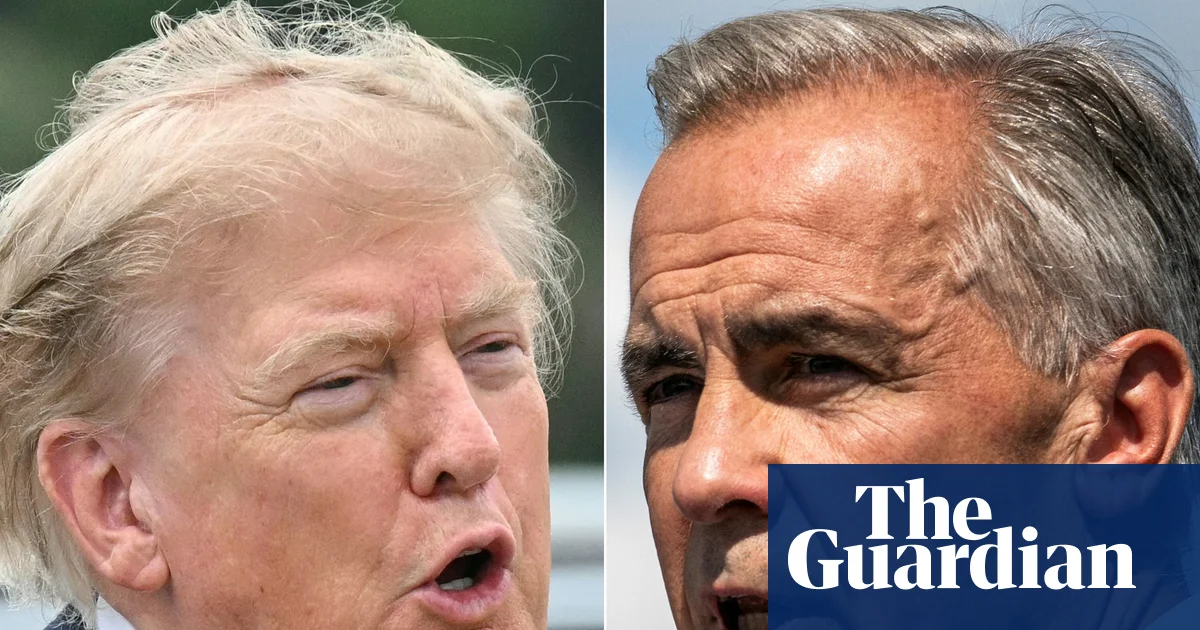
The United States is banning dairy products, most alcoholic beverages, and motorcycles from Canada, escalating a trade war that began with Canadian retaliatory tariffs on $20 billion in US imports. The bans, set to take effect in three weeks, follow the collapse of trade negotiations between the two countries and come after Canada imposed tariffs on hundreds of American products, including steel, aluminum, and cheese. President Donald Trump also directed the General Services Administration to exclude Canadian products from long-term US government contracts until Canada allows “full and fair reciprocity” for American products.
The US imposed initial tariffs on roughly 5% of Canadian imports on August 22, citing unfair treatment of American dairy, alcohol, and auto industries. Canada responded with its own tariffs, covering about 6% of the $333.6 billion the United States exported to Canada last year. While the US and Canada have historically sparred over trade issues like Canada’s protected dairy market, relations have deteriorated rapidly under Trump, who has repeatedly suggested making Canada the 51st US state.
Some Canadian provinces have banned the sale of US alcoholic products, prompting the US ban on Canadian alcohol. A senior Trump administration official stated that the White House also “completed housekeeping” on existing tariffs, replacing duties on cement, road salt, and hospital pads with duties on all-terrain vehicles, some cheeses, and motorboats. Prime Minister Mark Carney has vowed to reduce Canada’s dependence on the United States, stating the country’s strategy is about ensuring it “can live how we want to live” and “no country can hold us hostage.” Despite the escalating tensions, a Canadian official indicated Ottawa does not intend to change course, focusing instead on building domestic capacity and diversifying trade.
The US has also threatened 50% tariffs on cars and trucks, potentially taking effect in January. Trump recently threatened Bombardier, a Canadian jet maker, but White House officials said they were still reviewing options for implementing that idea. The situation raises questions about whether a smaller US ally can resist economic pressure without yielding, and how the trade war will ultimately resolve.
Our reading is that the United States is actively pursuing a strategy of economic coercion against Canada, escalating a trade dispute through increasingly restrictive bans and tariff adjustments. The reciprocal nature of the bans, Canadian responses to U.S. actions, and vice versa, suggests a deliberate attempt to exert pressure, while the specific targeting of industries like dairy, alcohol, and motorcycles indicates a focus on sectors with political or symbolic importance. The stated rationale of “full and fair reciprocity” appears to be a justification for actions that are, at least currently, punitive in nature.
Read the original coverage
💬 Comments
📜 Comment Policy