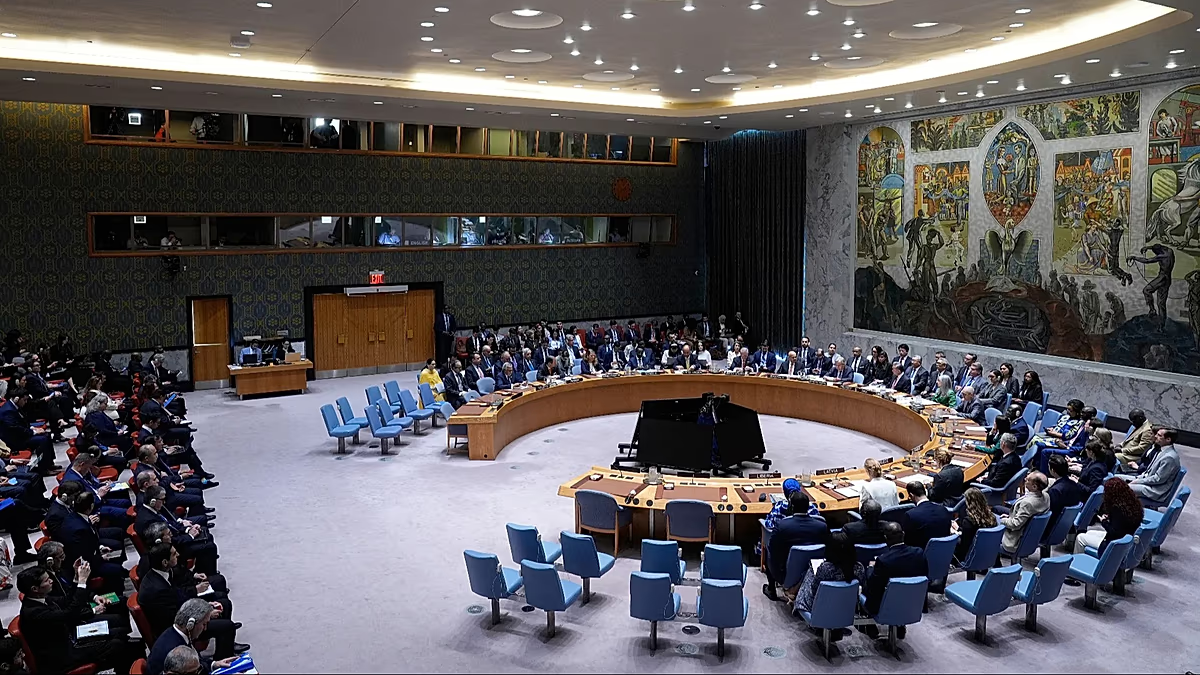
Russia and China vetoed a United Nations resolution on Thursday that would have extended the mandate of U.N. experts monitoring sanctions reimposed on Iran over its nuclear program. The United States drafted the resolution to extend the panel’s mandate for a year, but it was defeated by a vote of 11-2, with Somalia and Pakistan abstaining. The sanctions, restored last September under the “snapback” mechanism of the 2015 nuclear deal, freeze Iranian assets, restrict arms deals, and penalize its ballistic missile program.
Russia’s UN Ambassador Vassily Nebenzia argued the “snapback” of sanctions was illegal, rendering the resolution without legal basis. He stated Russia and China had urged the U.S. not to put the resolution to a vote, anticipating the outcome. The U.S. moved Thursday to target digital currency networks allegedly used by sanctioned Iranian entities to access the international financial system, specifically BitBank and Pishtaz Simorgh Electronic Trade Co., along with three associates of BitBank’s chief, Babak Zanjani.
Iran’s UN mission thanked China and Russia for the veto, claiming the U.S. and its allies were attempting to abuse the Security Council for political purposes. Since June 2025, UN nuclear inspectors have been unable to verify Iran’s enriched uranium stockpile, which currently stands at 440.9 kilograms enriched to 60% purity, close to weapons-grade levels. The veto removes international oversight of the sanctions without lifting them, occurring amidst a more than six-month-old war that has reached a stalemate.
Read the original coverage
💬 Comments
📜 Comment Policy