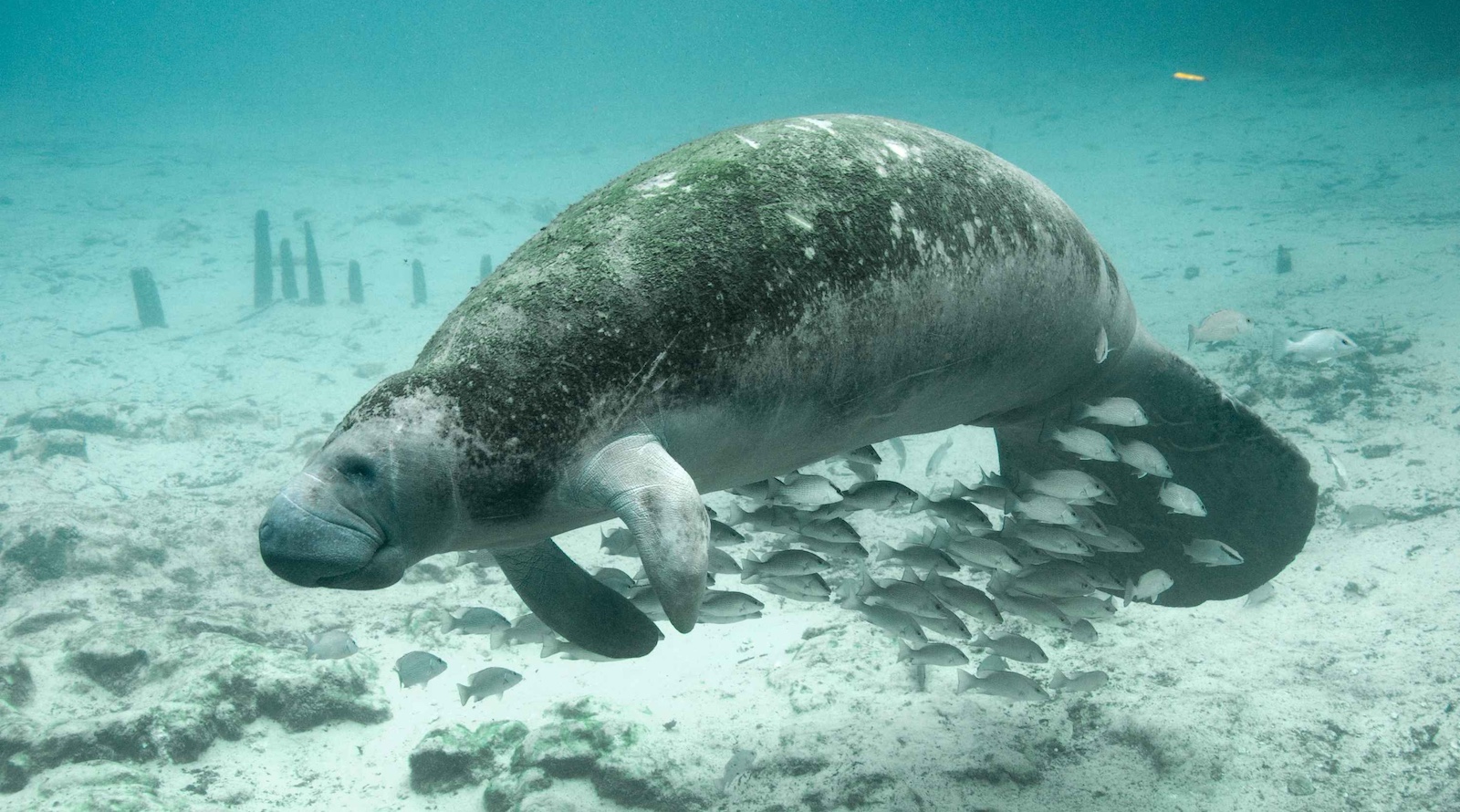
The Trump administration has revised interpretations of the Endangered Species Act (ESA), reducing protections for imperiled plants and animals. A new memo from the Interior Department, signed by Fish and Wildlife Service Director Brian Nesvik, narrows the definition of “take” under the ESA to exclude unintentional killings of protected species, such as those resulting from logging or commercial fishing. This change reverses decades of precedent and removes liability for accidental harm.
Previously, the Fish and Wildlife Service held parties accountable for unintentionally harming protected species like grizzly bears, manatees, and spotted owls. Dan Ashe, former director of the Fish and Wildlife Service under President Obama, described the change as creating a “huge loophole” that relieves people of responsibility for foreseeable consequences. The administration also rescinded the automatic extension of key ESA protections to newly listed “threatened” species and is curtailing the discretion used to designate critical habitat, considering economic factors in those decisions.
These actions follow a prior decision to rescind the regulatory definition of “harm” and recent proposals to weaken protections for grizzly bears and Canada lynx. Sierra Club Wildlife Campaign Manager Ben Greuel stated the administration’s decisions represent a “steady attempt at dismantling” the ESA’s protections, making conservation efforts more challenging. Interior Secretary Doug Burgum has argued the changes are necessary, claiming the ESA has been “weaponized” to hinder economic projects and national security. The administration has also reduced protected land in Utah by over 90% to allow for fossil fuel extraction and mining.
The changes collectively overturn five decades of precedent in how the ESA is interpreted and applied, prioritizing development over conservation, according to critics.
Our reading is that the administration is systematically reducing the scope of the Endangered Species Act, prioritizing economic development over conservation efforts. The narrowing of the definition of “take” and the removal of automatic protections for threatened species represent a significant shift in policy, reversing decades of established practice. The administration’s framing of these changes as removing bureaucratic obstacles to economic activity, coupled with the criticism of the ESA as being “weaponized,” suggests a deliberate attempt to dismantle environmental regulations.
Read the original coverage
💬 Comments
📜 Comment Policy