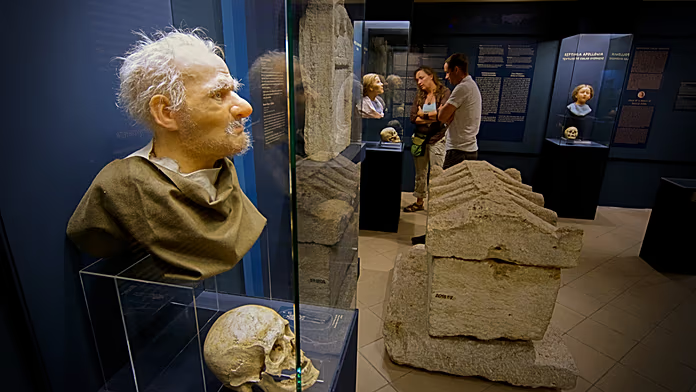
Sixteen faces of residents from the ancient Roman city of Aquincum, located in modern-day Hungary, have been realistically reconstructed using DNA analysis and forensic anthropology. The exhibition aims to bring the diverse backgrounds of the city’s inhabitants to life, including individuals such as a blacksmith, stable boy, soldier, and slave.
The faces were created through collaborative research that examined remains discovered at the archaeological site of Aquincum. Researchers utilized advanced techniques to determine physical characteristics like facial features, hair color, and eye color. This process revealed the varied origins of the city’s population, suggesting a multicultural society within the Roman Empire. The exhibition provides a unique glimpse into the lives of ordinary people who lived nearly two millennia ago.
The reconstructions offer insights beyond just appearance; they also shed light on potential health conditions and lifestyles experienced by these individuals. By studying skeletal remains and conducting DNA analysis, researchers were able to infer details about diet, occupation, and overall well-being. This information contributes to a more comprehensive understanding of daily life in Roman Aquincum.
The exhibition is currently open to the public, offering visitors an opportunity to connect with the past on a personal level. The display showcases not only the reconstructed faces but also artifacts discovered during archaeological excavations at the site, providing further context for the lives of these ancient Romans. No right-leaning outlets have reported on this story.
Read the original coverage
💬 Comments
📜 Comment Policy