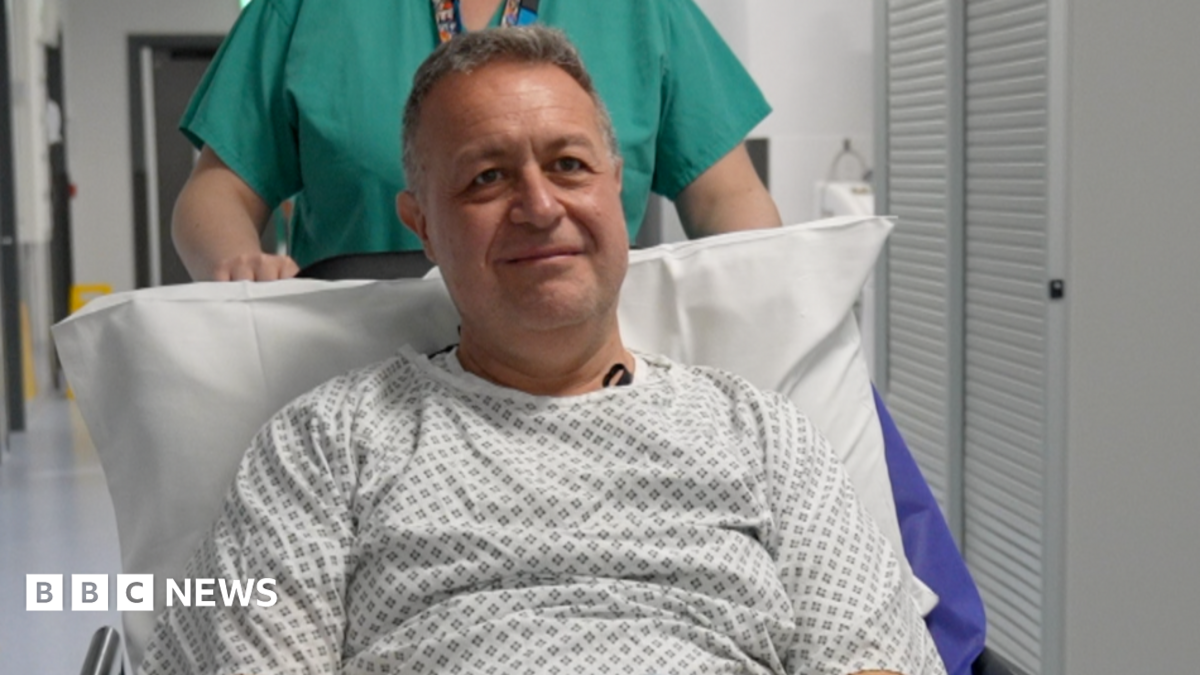
A new genomic test is being piloted by NHS England that can reduce brain tumour diagnosis time from up to eight weeks to two hours, offering patients faster access to treatment and reducing anxiety. Steve Palmer, 55, from Nottingham, benefited from the technology, receiving a diagnosis of grade 4 glioblastoma while undergoing surgery. The test analyzes a tumour sample’s genetic code using a sequencing machine made by Oxford Nanopore and software developed at the University of Nottingham. Consultant neurosurgeon Stuart Smith at Queens Medical Centre described the process as “almost magical,” explaining it allows for more targeted surgical approaches, radical removal for curable tumours, and a more cautious approach for aggressive cancers. Dr. Simon Paine, a consultant neuropathologist, stated the test is transformative compared to traditional methods of examining tumour cells under a microscope. The test has been rolled out to specialist centres across England.
The rapid diagnosis impacts surgical strategy. For some tumour types, surgeons aim for complete removal; for others, a more conservative approach is taken to minimize brain damage. The process involves sending small tissue samples to a pathology lab, where they are prepared for the nanopore sequencing machine. Within 20 minutes in Steve Palmer’s case, the team identified his tumour as a glioblastoma, allowing for immediate treatment planning. Steve Palmer stated, “Getting that quick diagnosis removed weeks of anxiety,” and added, “It wasn't the result I wanted to hear but it means I can get on with the next phase of treatment and recovery, and get on with fighting whatever it is I've got to fight.”
Read the original coverage
💬 Comments
📜 Comment Policy