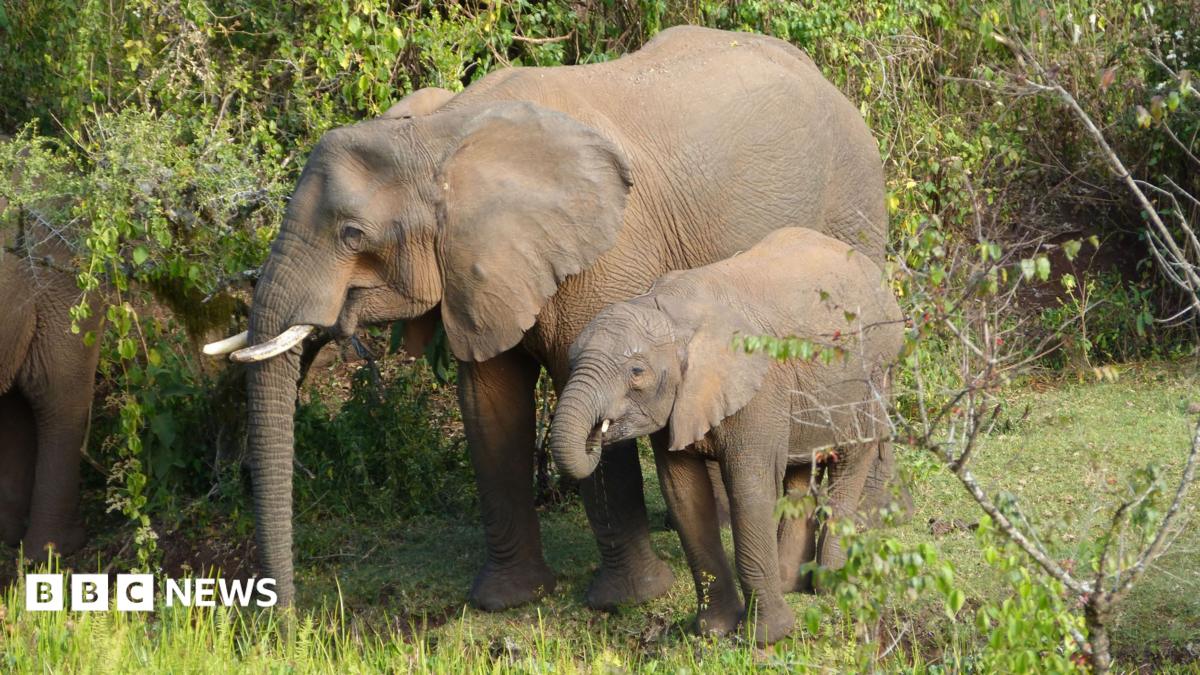
African elephants living near Mount Elgon in Kenya intentionally seek out and consume 35 different plant species for medicinal purposes, and mothers have been observed preparing mixtures of roots and leaves with their milk to treat their calves. This behavior, documented through interviews with local wildlife scouts, park rangers, and community elders, suggests a sophisticated understanding of plant-based remedies. Researchers from Hamburg's Bernard Nocht Institute for Tropical Medicine and Brown University collaborated on the study, which builds on existing knowledge of these elephants’ unique salt-mining habits. Interviewees described elephants selecting specific plants when unwell, with one scout recounting seeing elephants use a plant called Angurweet for stomach ailments in their young, chewing it into a smooth paste and mixing it with milk. While self-medication has been observed in other species, this is the first documented instance of a non-human species preparing and administering medicine to others. Scientists are now using cameras to record this behavior and analyzing the plants for potential medicinal properties. The study raises questions about the impact of habitat destruction on both animal and human access to natural medicines.
Left-leaning BBC News emphasized the broader implications for human access to medicines and the entanglement of human and non-human health, quoting Dr. Elodie Freymann on the potential consequences of habitat loss. Right-leaning GB News focused on the novelty of the elephants’ behavior, highlighting that this is the first known instance of a non-human species creating and administering medicine to others of its kind, and detailing the specific plants used. Both outlets reported the same core findings regarding the elephants’ medicinal practices and the methods used to gather the information.
Read the original coverage
💬 Comments
📜 Comment Policy