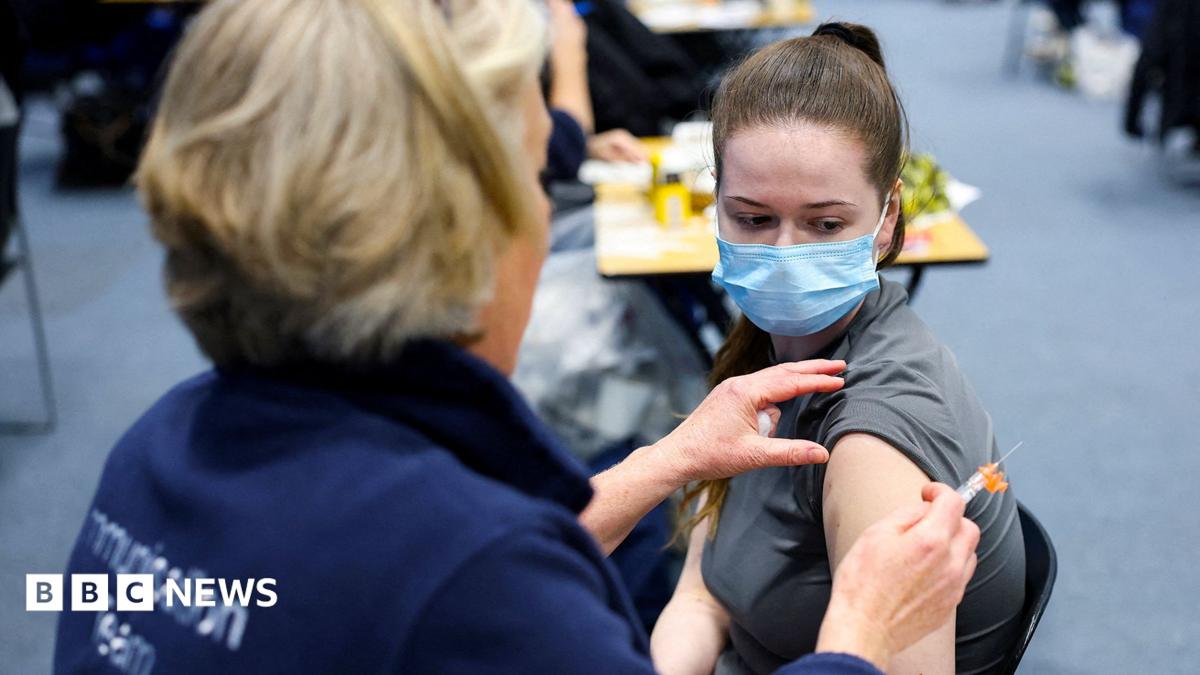
An outbreak of meningitis B in Kent, England, earlier this year, which infected over 20 people and resulted in two deaths, was caused by a strain of bacteria that acquired genetic material from other bugs, making it unusually dangerous and fast-spreading. Experts at the UK Health Security Agency (UKHSA) and the University of Oxford determined the bacterium underwent horizontal gene transfer, creating a new variant that spread among young people, particularly students at Canterbury nightclubs. Dr. Charlene Rodrigues, consultant in Pathogen Genomics at UKHSA, stated, “This investigation shows just how quickly and dramatically these bacteria can change.” The outbreak was described as “unprecedented” and “explosive” due to its speed and concentration in one location. The two individuals who died were 21-year-old University of Kent student and Juliette Kenny, a sixth-form pupil at Queen Elizabeth's Grammar School in Faversham. The current meningitis vaccine protects against this variant, and a one-off vaccination program was launched for university students. Dr. Rodrigues suspects the same genetic changes that made the strain so virulent also limited its spread, as severely ill individuals were less likely to be asymptomatic carriers. Experts are now recommending the government consider routinely administering MenB jabs to secondary school-aged children around age 15. Dr. Rodrigues added, speaking exclusively to the BBC, that bacteria are known to undergo changes like this, which can make infections more severe and evade the immune system. She also cautioned that such events, while rare, could happen again, urging continued vigilance.
Read the original coverage
💬 Comments
📜 Comment Policy