Researchers have identified a diverse set of bacterial receptors capable of recognizing proteins essential for bacteriophage function. The discovery, published in *Nature* on July 29, 2026, sheds light on how bacteria defend against viral attacks.
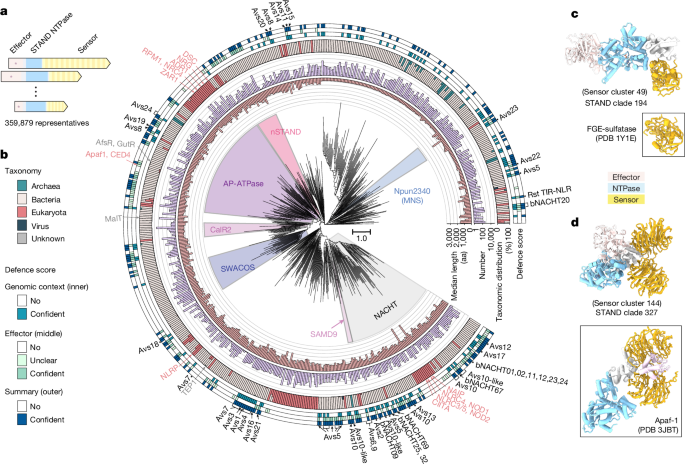
A systematic analysis focused on prokaryotic STAND NTPases – which are related to immune receptors found in animals and plants – revealed that these proteins act as antiviral sensors. These sensors can detect the majority of core structural and replicative proteins present in bacteriophages. The research, detailed with <a href="https://www.nature.com/articles/s41586-026-10852-6">doi:10.1038/s41586-026-10852-6</a>, demonstrates a broader range of bacterial antiviral detection capabilities than previously understood.
The study’s findings suggest that bacteria employ multiple pattern recognition receptors to identify and respond to bacteriophages. By recognizing the core proteins vital for phage survival and replication, these receptors likely trigger immune responses within the bacteria, offering protection against viral infection. This understanding could have implications for developing strategies to combat antibiotic resistance by manipulating bacterial antiviral defenses.
We don't rate truth. We strip the spin and show you which perspectives covered the story. You decide.
Read the original coverage
💬 Comments
📜 Comment Policy