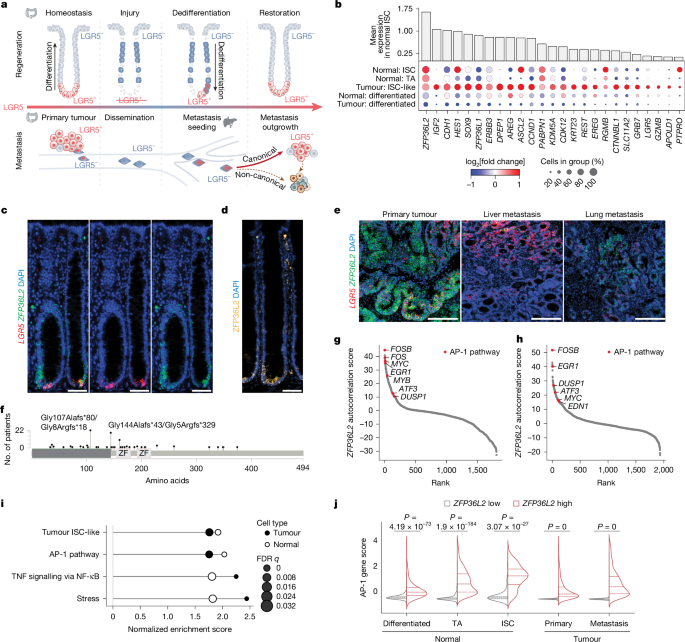
A new study published in *Nature* on August 5, 2026, details the role of the RNA-binding protein ZFP36L2 in both intestinal regeneration and the metastasis of colorectal cancer. Researchers found that ZFP36L2 mediates stress-adaptive plasticity in these processes.
The research, detailed in an article with doi:10.1038/s41586-026-10890-0, identifies ZFP36L2 as a key player in how cells respond to stress during intestinal regeneration. The protein appears to facilitate adaptive plasticity, allowing the intestine to repair itself effectively.
However, the study also reveals a concerning link between ZFP36L2 and cancer. Specifically, researchers discovered that this same RNA-binding protein contributes to the metastasis of colorectal cancer – the process by which cancerous cells spread from the original tumor to other parts of the body. The findings suggest that ZFP36L2’s role in promoting plasticity isn't limited to beneficial regeneration; it can also be co-opted by cancer cells to enhance their ability to invade and colonize new tissues.
The study, published online by *Nature*, highlights a complex biological mechanism with implications for both regenerative medicine and cancer treatment. Further research will likely focus on understanding how to selectively modulate ZFP36L2 activity – potentially promoting its beneficial effects in regeneration while suppressing its contribution to cancer metastasis.
We don't rate truth. We strip the spin and show you which perspectives covered the story. You decide.
Read the original coverage
💬 Comments
📜 Comment Policy