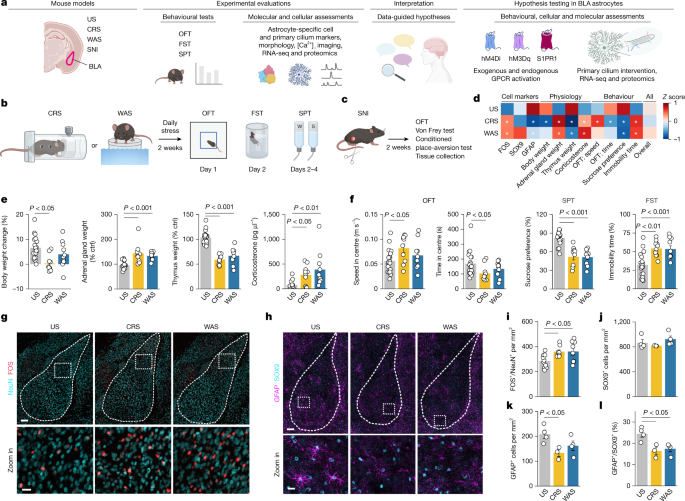
A new study published in *Nature* on August 5, 2026, details a connection between primary cilia within amygdala astrocytes and stress-related behaviors in mice. Researchers found that these cilia are disrupted during stressful events, and restoring them can improve behavioral outcomes.
The research, with a doi of 10.1038/s41586-026-10874-0, focuses on the amygdala, a brain region crucial for processing emotions, particularly fear and stress. The study specifically examines astrocytes – star-shaped glial cells in the brain – and their primary cilia, which are hair-like structures extending from the cell body. These cilia play roles in cellular signaling.
The findings reveal that when mice experience stress, the primary cilia of amygdala astrocytes become disrupted. Importantly, researchers discovered that restoring these cilia leads to improvements in stress-related behaviors within the animal model. This suggests a mechanistic link between astrocyte cilia integrity and the brain’s response to stressors. The study provides insight into potential therapeutic targets for managing stress-related disorders.
We don't rate truth. We strip the spin and show you which perspectives covered the story. You decide.
Read the original coverage
💬 Comments
📜 Comment Policy