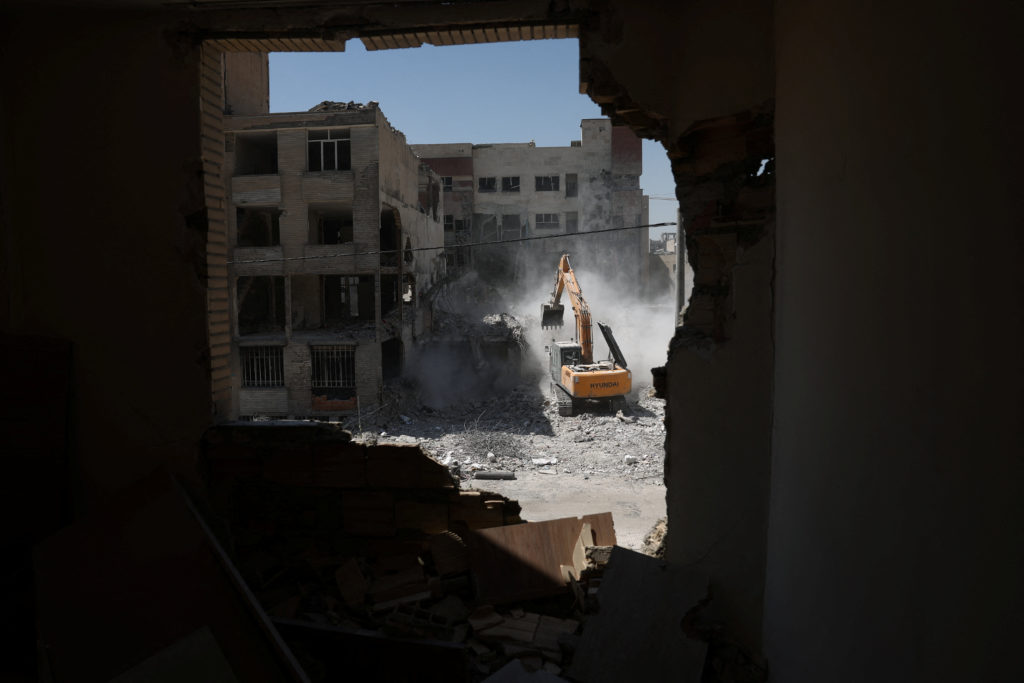
The United States military launched strikes against targets in Iran on Tuesday, following the downing of a U.S. Army Apache helicopter near the Strait of Hormuz. According to U.S. Central Command, the military characterized the operation as "self-defense strikes." President Donald Trump confirmed that the two pilots aboard the downed helicopter were unharmed and safe.
The incident occurred overnight when Tehran shot down the American Apache helicopter while it was patrolling over the Strait of Hormuz. In response to the attack, President Trump stated that the United States "must" respond. He later added, "I believe in responding in a strong manner," and ordered the retaliatory strikes. The U.S. military announced the fresh "self-defense" attacks on Iran shortly after the helicopter was brought down.
Iranian officials have vowed retaliation in response to the U.S. strikes. The military action has escalated tensions between the two nations at a time when diplomatic efforts are reportedly underway. President Trump has repeatedly stated that Iran and the United States are close to reaching an agreement, although observers have noted few signs of tangible progress toward a resolution. The administration's current objective includes seeking a deal to end the ongoing conflict.
U.S. Central Command provided details regarding the timing and scope of the strikes, confirming they were launched in direct response to the downing of the military helicopter earlier in the day. The Pentagon has maintained that the operation was conducted under established rules for self-defense following the loss of the Apache helicopter. Military analysts and government officials have tracked the deployment of forces in the region as the situation develops.
Diplomatic channels remain active as both sides assess the next phase of the confrontation. While the United States proceeded with the strikes to address the downing of its aircraft, Tehran's pledge of retaliation indicates that the immediate crisis may extend beyond the initial exchange. The U.S. government continues to monitor the strategic implications of the helicopter incident and the subsequent military response in the Strait of Hormuz region.
Read the original coverage
💬 Comments
📜 Comment Policy