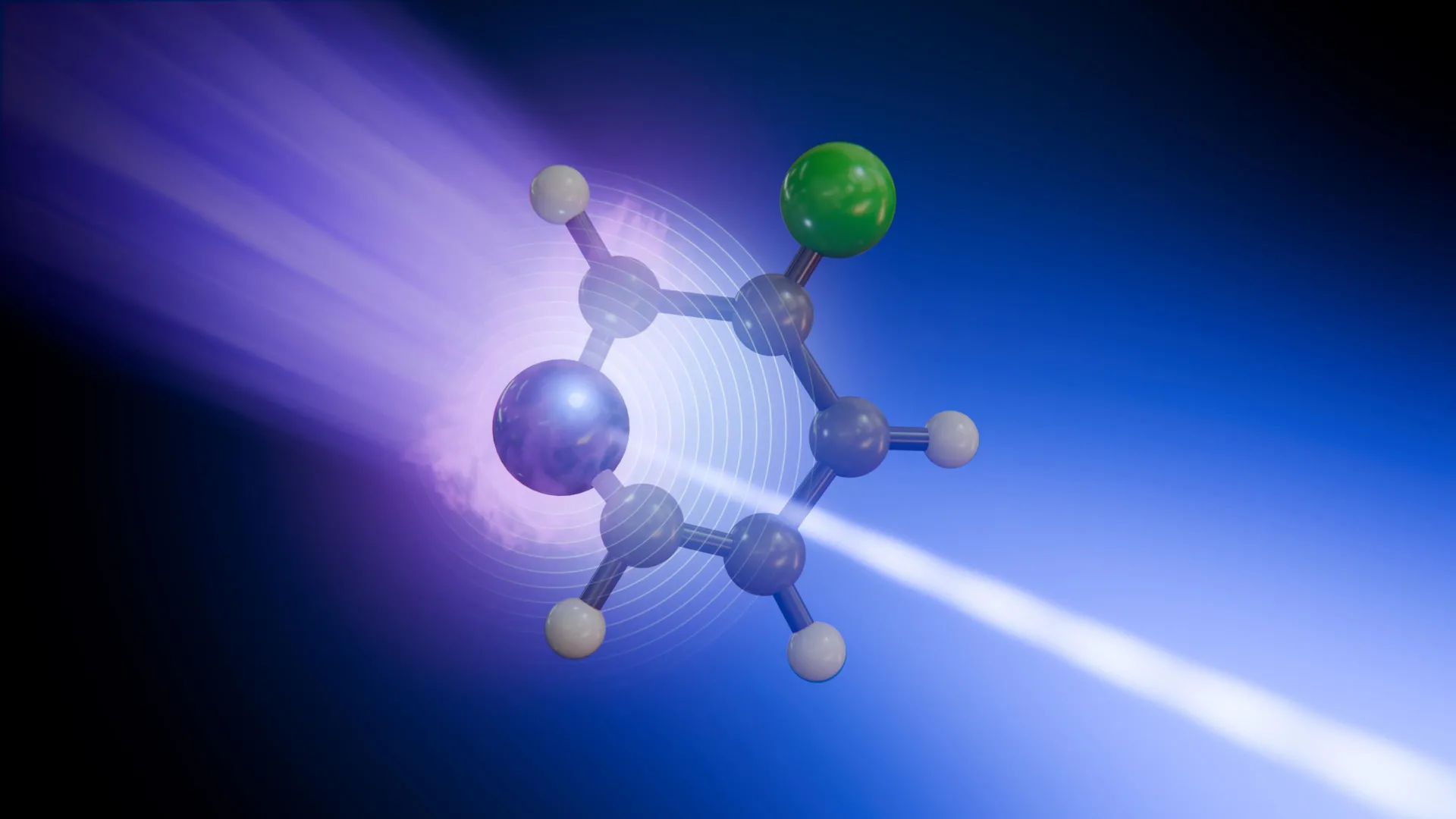
Scientists have used ultrafast X-rays to observe, for the first time, how a molecule converts absorbed light into motion at the scale of trillionths of a second. The research provides unprecedented insight into the fundamental processes driving light-driven chemistry.
The study revealed that individual atoms within the molecule exhibit different stages of this conversion process as it unfolds. Researchers were able to record these distinct stages using the powerful X-ray technology, effectively creating a molecular ‘movie’ of the event. This advancement opens up new possibilities for understanding and controlling chemical reactions initiated by light.
The research team detailed how they captured the process occurring in just trillionths of a second. According to ScienceDaily, this allows scientists to see “how a molecule converts absorbed light into motion.” The ability to observe these incredibly fast changes at an atomic level is expected to be a significant step forward for the field of chemistry.
The implications of this research extend to various areas, including developing new materials and understanding biological processes that rely on light absorption. By visualizing the initial steps of light-driven chemical reactions, scientists can potentially design more efficient solar cells or create novel photocatalysts.
We don't rate truth. We strip the spin and show you which perspectives covered the story. You decide.
Read the original coverage
💬 Comments
📜 Comment Policy