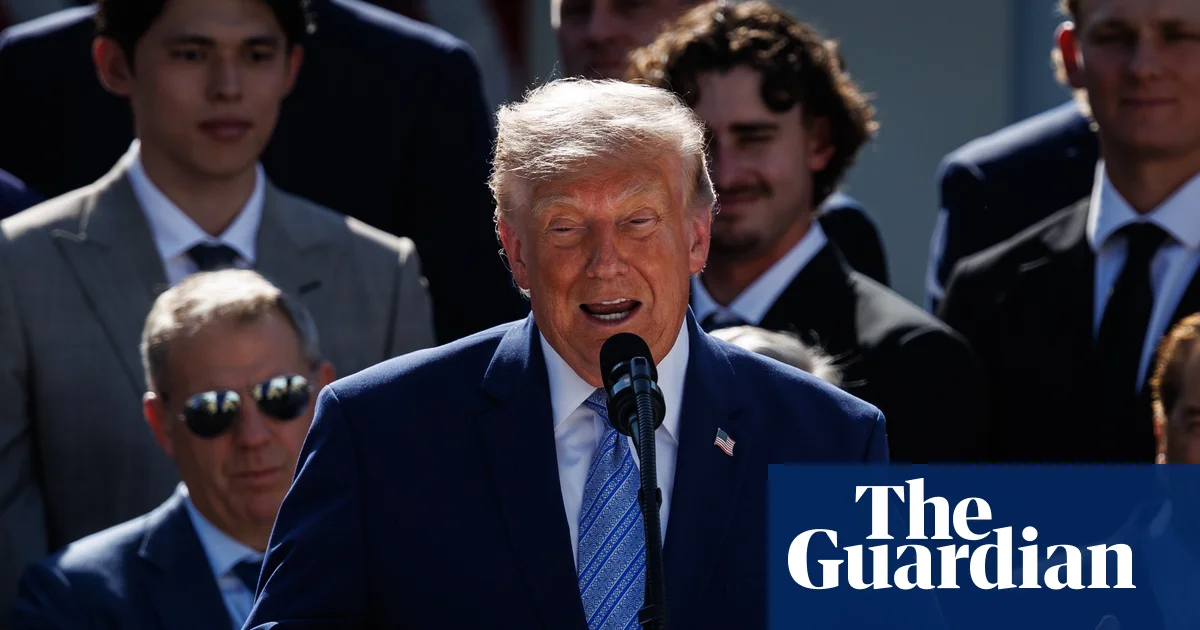
The Trump administration has announced tariffs ranging from 10% to 12.5% on imports from more than 80 countries, justified by allegations of forced labor in their supply chains. The move follows a recent Supreme Court decision striking down previous emergency tariffs and represents a shift toward utilizing trade law linked to human rights concerns. This action has prompted bewilderment and dispute among US trading partners who question the validity of the forced-labor claims.
The administration is framing these tariffs as a response to exploitative labor practices, but critics suggest the justification may be opportunistic. Democrats have criticized President Trump for what they see as using forced labor allegations as a “convenient” pretext for imposing trade barriers. The scope of the tariffs extends across a broad range of goods and countries, raising concerns about potential disruptions to global supply chains.
The timing of this decision is notable, coming after the Supreme Court invalidated earlier tariff measures implemented by Trump. This suggests the administration is actively seeking alternative legal avenues to pursue its protectionist trade policies. While the US government has not provided specific evidence supporting the forced labor allegations for all affected countries, officials maintain that credible reports exist warranting these actions.
Trading partners have disputed the claims of forced labor, with some questioning the transparency and evidentiary basis behind the tariffs. The lack of clear details regarding which goods are specifically linked to forced labor has fueled skepticism about the true motives driving this policy. Left-leaning outlets emphasize the human rights aspect of the justification, while right-leaning sources express concern over potential trade wars and economic repercussions.
The implementation of these tariffs raises questions about how the administration will balance its commitment to combating forced labor with the need to maintain stable international trade relations.
Read the original coverage
💬 Comments
📜 Comment Policy