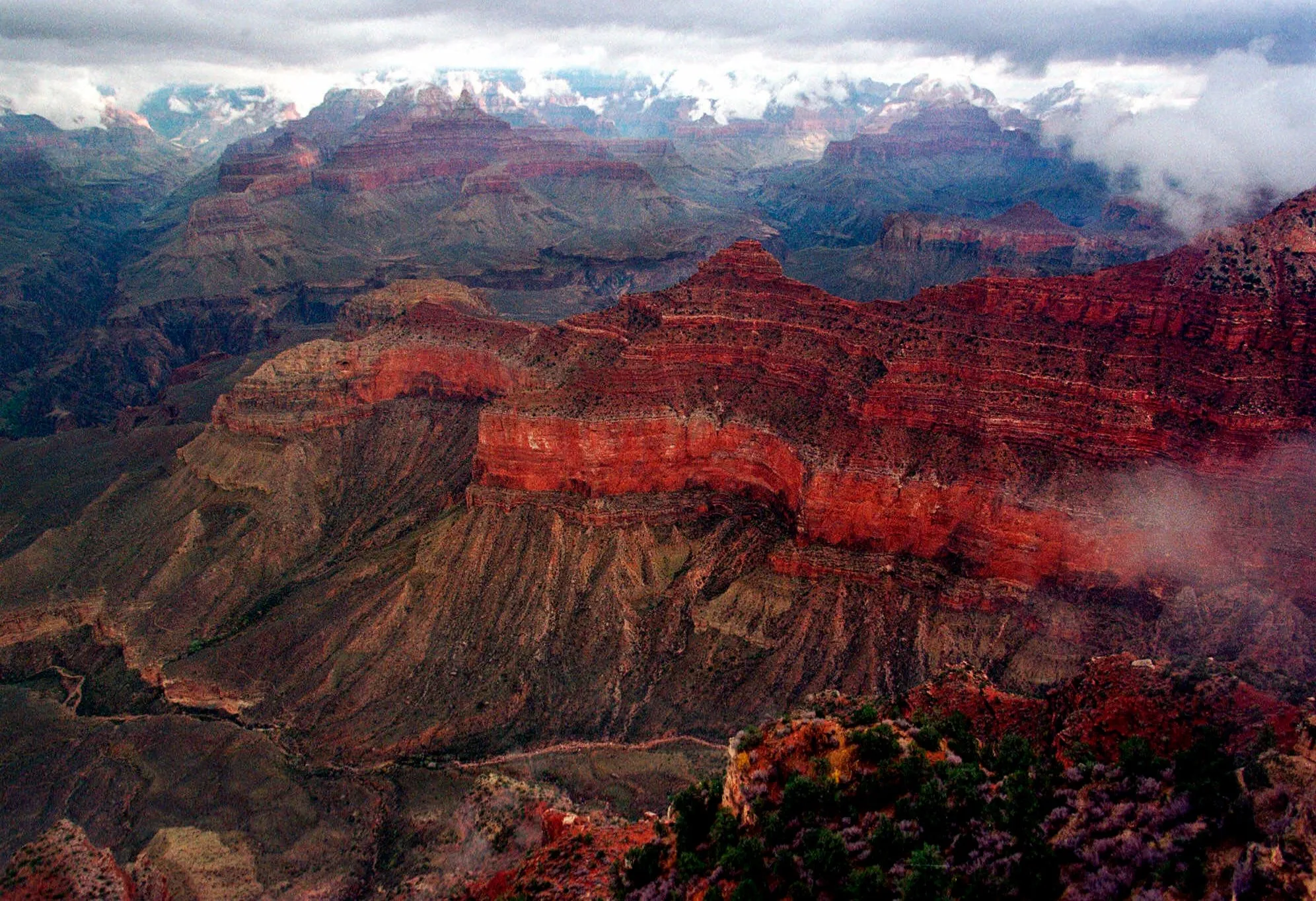
Federal officials confirmed that three hikers died from apparent heat-related illnesses during a recent incident at the Grand Canyon. The deaths occurred as temperatures in the area were rising, creating hazardous conditions for visitors traversing the park's trails. Despite the efforts of emergency personnel and the availability of aerial support, all three individuals were deceased by the time first responders reached them on the scene, according to statements released by the National Park Service.
The incident highlights the persistent dangers associated with hiking in extreme heat environments. The Grand Canyon, a major tourist destination known for its rugged terrain and significant elevation changes, frequently experiences high temperatures that can lead to severe health complications for unprepared visitors. Heat-related illnesses, which include conditions such as heat exhaustion and heat stroke, are among the most common medical emergencies faced by park rangers during warmer months.
Emergency response protocols were activated promptly following reports of the hikers in distress. The National Park Service noted that a rapid response was initiated to assist the individuals. Aerial support was also deployed to aid in the rescue operation, demonstrating the resources allocated to handle such emergencies in remote areas of the park. However, these measures were unable to prevent the fatal outcome for the three hikers.
The specific circumstances leading to the heat-related illnesses have not been detailed beyond the general attribution to rising temperatures and the nature of the activity. The National Park Service continues to monitor weather conditions and trail safety across the Grand Canyon. Authorities often advise visitors to carry ample water, hike during cooler parts of the day, and be aware of the signs of heat stress when navigating the canyon's interior.
This event serves as a reminder of the risks involved in outdoor recreation in high-temperature environments. The loss of life underscores the importance of preparedness and adherence to safety guidelines in national parks. Officials continue to investigate the full context of the incident, though the primary cause remains linked to environmental heat factors.
Read the original coverage
💬 Comments
📜 Comment Policy