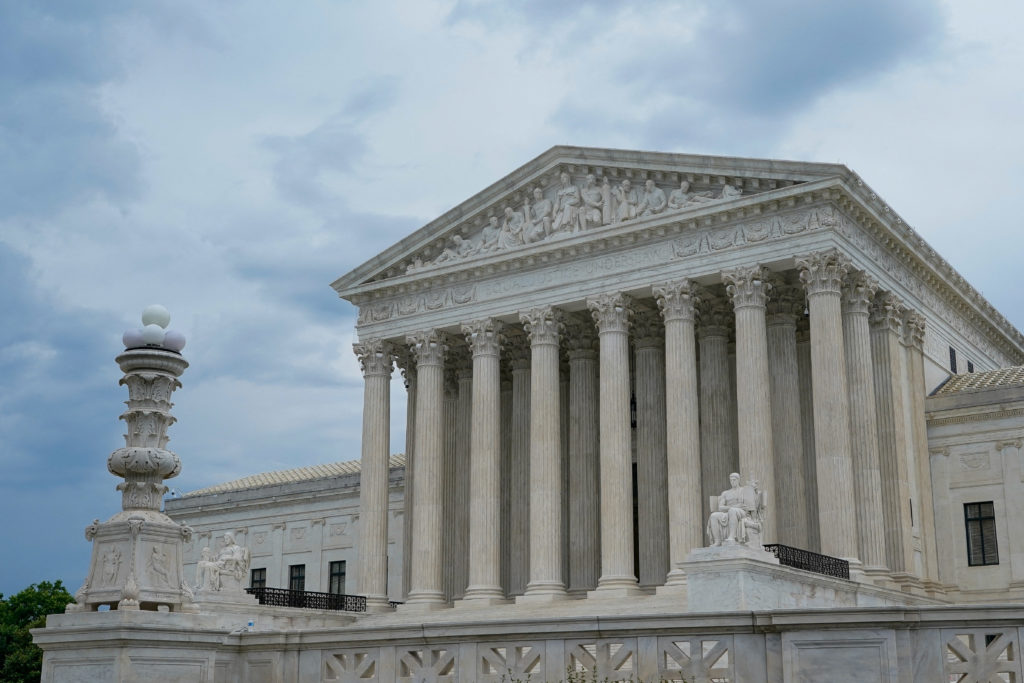
The Supreme Court on Friday permitted the Trump administration to use an expanded federal database containing citizenship information, despite lower court rulings that found the changes to the database likely unlawful. The Systematic Alien Verification for Entitlements (SAVE) program, originally created in 1986, was expanded to include data from the Social Security Administration, enabling bulk searches for citizenship verification. The 6-3 ruling, with conservative justices in the majority, came after the administration sought an emergency stay while appealing the lower court injunctions. While the National Voter Registration Act limits broad purges of voter rolls close to an election, states can still individually query the database.
Challengers, led by the League of Women Voters, argue the expansion violates the Social Security Act and the Privacy Act, and that the data is unreliable, potentially leading to U.S. citizens being removed from voter rolls. Reporting from ProPublica and the Texas Tribune indicated that initial use of the expanded database flagged many newly naturalized citizens. Texas was among the first states to run its full voter rolls, over 18 million registrations, through the system. To date, only three people have been charged with voting illegally as non-citizens.
The Trump administration initiated the expansion following an executive order in March 2025, seeking to ensure only U.S. citizens vote. In dissent, Justice Ketanji Brown Jackson argued the potential harm to lawful voters outweighs the government’s asserted need to use a program it likely lacks the authority to operate. The court stated federal law requires responding to state requests for citizenship information, and blocking the program would prevent the government from using what it believes is the best method to fulfill that requirement. The decision allows states to use the database for the current election cycle, though the broader legal questions remain unresolved.
Our reading is that the Supreme Court’s decision prioritizes the administration’s stated goal of verifying citizenship over concerns about potential voter disenfranchisement and legal challenges to the program’s implementation. The court appears to be deferring to the executive branch’s authority to access and utilize federal databases, even while acknowledging the unresolved legal questions surrounding the expansion of SAVE. The differing coverage highlights a clear division in how the decision is framed, either as a victory for election integrity or as a risk to voting rights.
Read the original coverage
💬 Comments
📜 Comment Policy