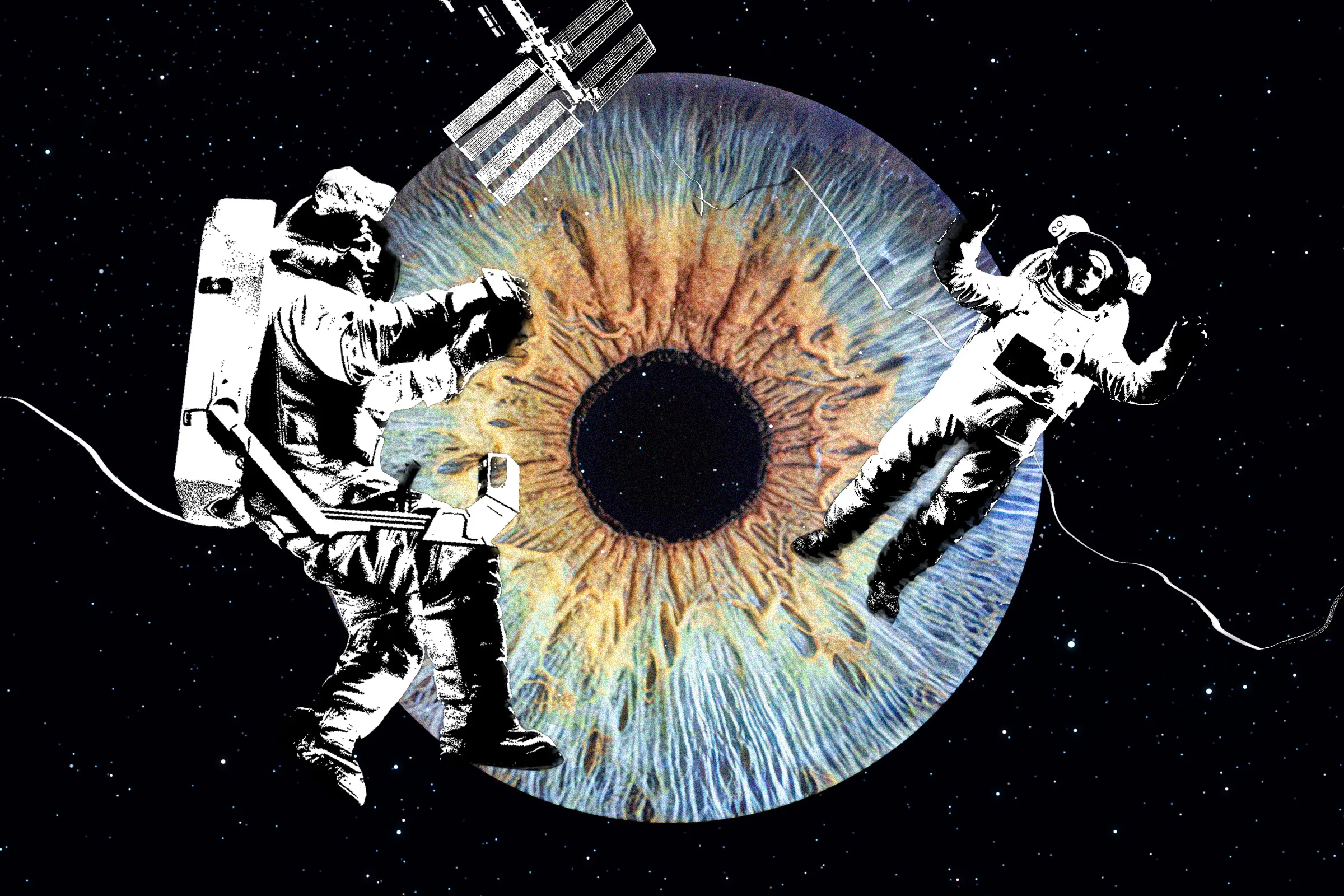
NASA and other space agencies are considering adapting a device originally designed for self-administered eye exams by elderly individuals to monitor the ocular health of astronauts during space missions. The concern stems from the potential for vision loss in astronauts due to extended time in space.
The device, currently used by octogenarians, could be incorporated into future space missions as a means of tracking astronaut eyesight. According to Wired, the impetus behind this exploration is the documented risk of visual impairment among those who spend significant periods in zero gravity.
The article details that prolonged exposure to microgravity can cause structural changes in the eye, potentially leading to vision problems for astronauts. While the specific mechanisms are still being studied, space agencies are proactively seeking tools to monitor and mitigate these risks. The existing device offers a potential solution due to its ease of use and ability to provide baseline data and track changes over time.
The source does not detail which space agencies are involved beyond mentioning 'space agencies' generally. It also doesn’t specify when this technology might be implemented, only that it is being considered for ‘future missions.’
We don't rate truth. We strip the spin and show you which perspectives covered the story. You decide.
Read the original coverage
💬 Comments
📜 Comment Policy