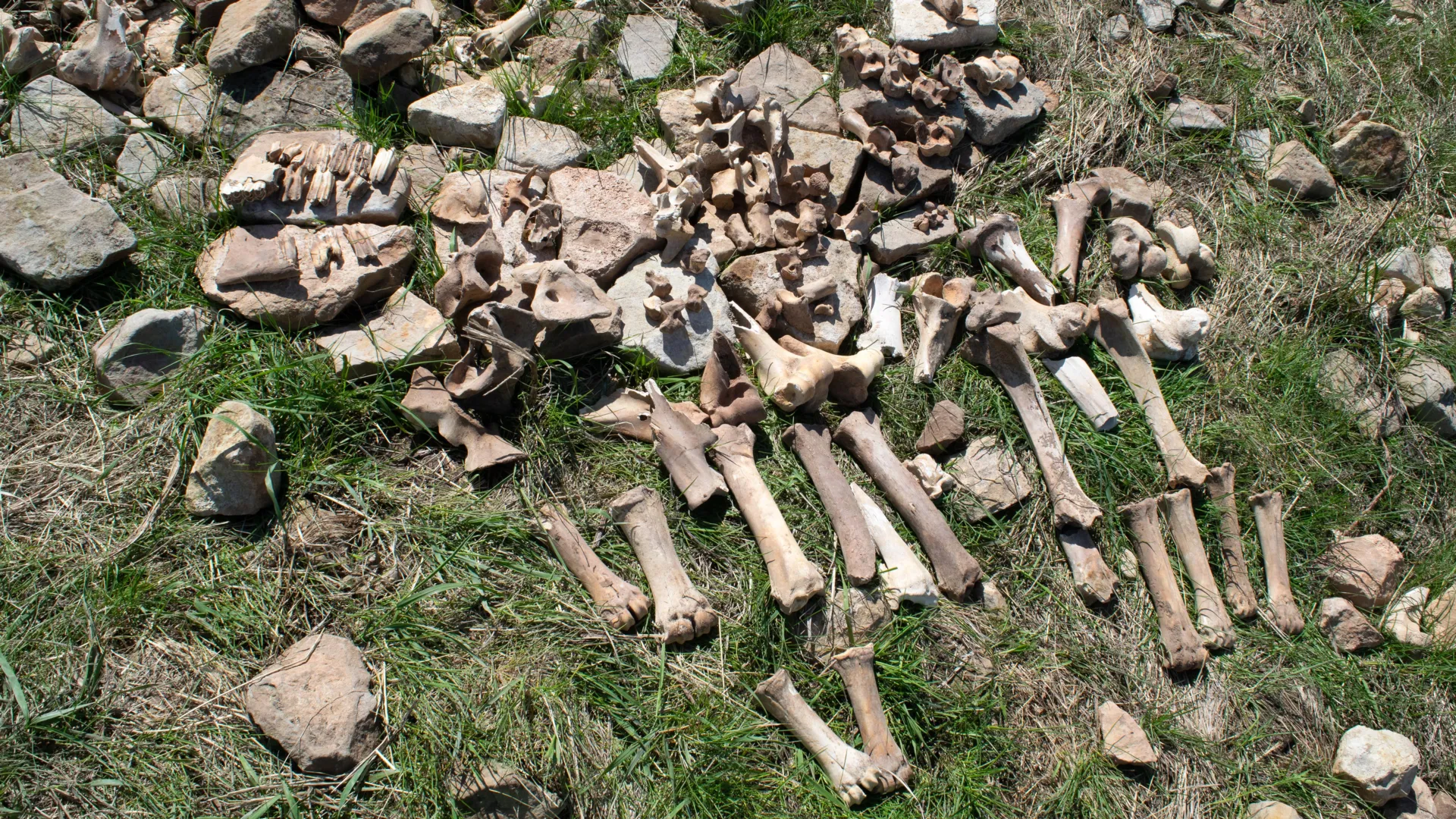
Researchers have solved a 1,100-year-old mystery regarding a lost bison hunting site in central Montana. For nearly 700 years, Indigenous hunters repeatedly utilized this location before abruptly stopping its use, even though bison populations remained abundant in the region. The sudden abandonment puzzled observers for centuries until recent investigations provided clarity.
Evidence uncovered by researchers points to recurring, decades-long droughts as the primary catalyst for the site's decline. These prolonged dry periods significantly reduced access to the water required to process large numbers of animals. As water availability dwindled, the location became increasingly impractical for sustained hunting operations.
Concurrent environmental pressures coincided with a strategic shift in Indigenous hunting practices. Hunting groups were simultaneously transitioning toward larger, more coordinated operations. These new methods required dependable resources and specialized locations that could support complex logistical demands. Consequently, communities gradually moved away from the central Montana kill site to adapt to these changing requirements.
This resolution demonstrates how environmental stress and evolving subsistence strategies intersected to shape ancient hunting patterns. By analyzing historical usage alongside climatic records, investigators have confirmed that practical resource limitations, rather than prey scarcity, drove the abandonment of the site. The findings provide a clear explanation for a long-standing archaeological puzzle.
We don't rate truth. We strip the spin and show you which perspectives covered the story. You decide.
Read the original coverage
💬 Comments
📜 Comment Policy