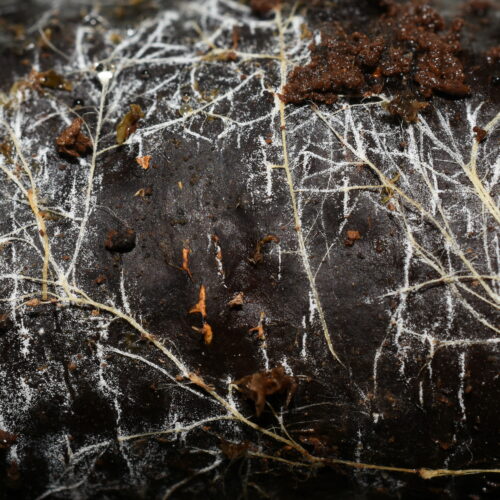
A recent scientific study has successfully quantified the extensive length and mass of arbuscular mycorrhizal fungal networks on a global scale. The findings reveal that these underground structures are so vast that their total length is sufficient to reach beyond the boundaries of the Solar System.
Arbuscular mycorrhizal fungi form symbiotic relationships with the roots of most land plants, playing a critical role in nutrient exchange and ecosystem health. By analyzing global data, researchers have been able to estimate the sheer physical magnitude of these biological networks, which remain largely invisible to the naked eye but are fundamental to terrestrial life.
The study highlights the intricate connectivity of these fungal threads, which weave through soil systems worldwide. This quantification provides new insights into the scale of underground biodiversity and its contribution to global carbon storage and plant nutrition. The results underscore the importance of microbial ecosystems in maintaining the balance of natural environments.
While the primary focus of the research is biological and ecological, the implications extend to broader scientific understanding of Earth's biosphere. The ability to measure such vast networks allows scientists to better model ecosystem functions and assess the impact of environmental changes on soil health.
This work contributes to the growing body of knowledge regarding mycorrhizal fungi, which are essential for agricultural sustainability and forest regeneration. By establishing precise metrics for their global presence, the study offers a baseline for future ecological monitoring and conservation efforts.
We don't rate truth. We strip the spin and show you which perspectives covered the story. You decide.
Read the original coverage
💬 Comments
📜 Comment Policy