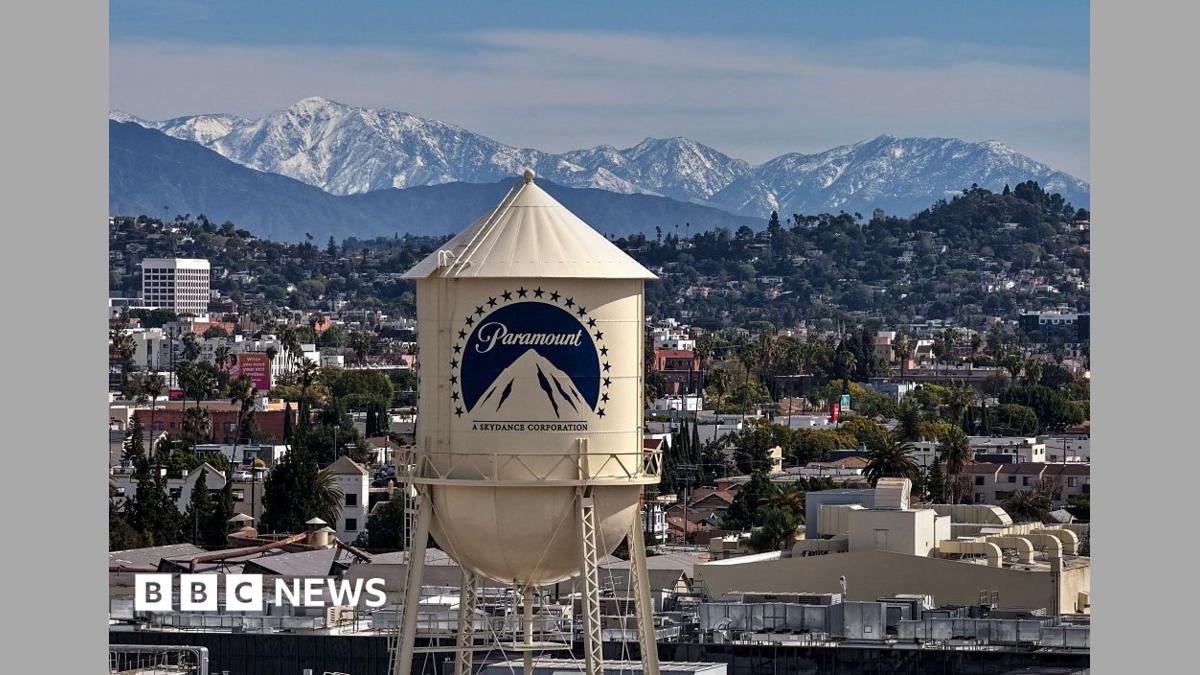
Paramount Skydance has reached a settlement with a coalition of states that had sued to block its $110 billion merger with Warner Bros. Discovery, removing a major hurdle to the deal. California Attorney General Rob Bonta, leading the challenge, stated the settlement secures commitments to protect competition in film and television, but does not constitute an endorsement of the merger itself. The agreement requires Paramount to release at least 30 films annually, with a $30 million fee per missed film directed towards Hollywood union trust funds. Independent editorial boards will also oversee CNN and CBS News. The deal, which would combine Paramount Pictures, Warner Bros. Pictures, Paramount+, HBO Max, CBS News, and CNN, had faced opposition citing potential anti-competitive effects and harm to the creative community.
Paramount CEO David Ellison hailed the settlement as a win for consumers, workers, and the creative community, stating the company now has “complete clearance” for the merger. The settlement comes after Paramount agreed to delay the merger until June 2027, avoiding a costly ticking fee that would have added an estimated $650 million per quarter. Shares of both companies soared more than 10% on news of the agreement. The states involved in the suit included California, New York, Washington, Arizona, Colorado, Connecticut, Massachusetts, Minnesota, Nevada, New Jersey, New Mexico, and Oregon.
While the merger has gained approval from U.S. and international regulators, concerns remain regarding the potential impact on film production volume and the number of films released annually, with some industry observers skeptical of Ellison’s pledge. The Writers Guild of America also raised concerns about the deal’s potential harm to writers. Some outlets noted the settlement includes a commitment of over $1 billion in U.S. production and film releases, along with a $47.5 million workforce fund for displaced workers.
Our reading is that this settlement represents a compromise, allowing the merger to proceed despite significant initial opposition. While the states haven’t fully endorsed the deal, as Attorney General Bonta explicitly states, they have secured concessions intended to mitigate potential anti-competitive effects. The agreement appears to prioritize maintaining a certain volume of film production and protecting news division independence, suggesting these were key sticking points in negotiations.
Read the original coverage
💬 Comments
📜 Comment Policy