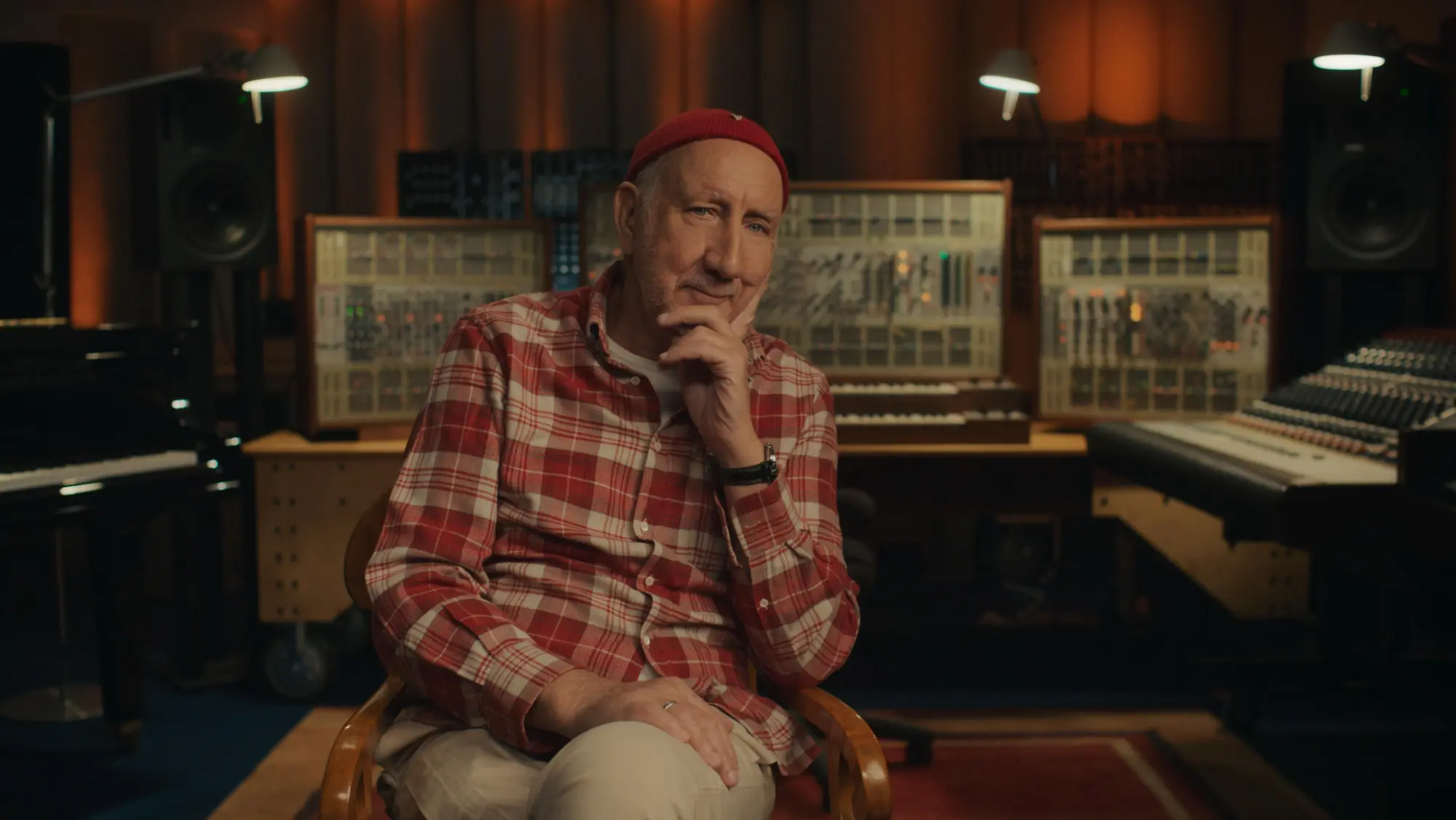
A new documentary, “Pete Townshend: Behind Blue Eyes,” directed by Frank Marshall and Nigel Sinclair, examines the life and creative process of The Who guitarist Pete Townshend. The film utilizes previously unseen archival footage, including 16mm reels from 1972 and home movies, to explore Townshend’s artistic evolution.
The documentary highlights Townshend’s signature performance style – a large circular windmill strum – as an expression of the “destructive fury” that also fueled bands like Led Zeppelin and the punk movement. While the film showcases this energetic side of Townshend, it primarily focuses on his “anguished moody poetic side,” particularly his work on the rock opera “Tommy,” which is described as being nearly as pivotal as The Beatles’ “Sgt. Pepper.” The film explores how “Tommy” was built around Townshend’s childhood trauma and his ambition to create a more confessionally grandiose form of rock music.
Townshend is portrayed as a Mod who developed into a rock intellectual, remaining thoughtful while also exhibiting a “doomy drama queen” persona. He aimed to establish rock music as an art form, inspired by avant-garde classical musicians destroying pianos, an idea he encountered during art school. The Who began as a local draw in West London, and a 1965 clip of the band performing “I Can’t Explain” is featured in the film.
Notably, the documentary omits discussion of The Who’s influential song “My Generation,” despite its significance to the punk movement. The film acknowledges The Who’s influence on punk and Townshend’s attempt to connect with Johnny Rotten, but fails to mention the song that most exemplifies that influence. The film also notes that Keith Moon, The Who’s drummer, died of a drug overdose – specifically chlomethiazole, a sedative prescribed for alcohol withdrawal symptoms.
Read the original coverage
💬 Comments
📜 Comment Policy