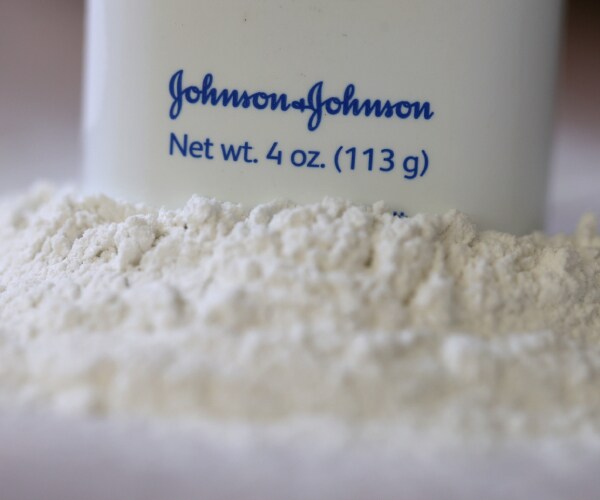
Johnson & Johnson has agreed to a $5.5 billion settlement resolving tens of thousands of lawsuits alleging its talc-based products, including baby powder, cause ovarian cancer. The agreement, announced Monday, aims to address claims spanning years and involving numerous plaintiffs who allege a link between the company’s talc products and their cancer diagnoses.
The settlements cover allegations that J&J's talc products contribute to ovarian cancer. While initial reports from Johnson & Johnson stated the settlement amount at $5.5 billion, the Straits Times reported a figure of $7 billion. The discrepancy has not been reconciled in subsequent reporting. The company did not immediately respond to requests for clarification on the differing figures.
The lawsuits center around claims that J&J knew or should have known its talc products were contaminated with asbestos, a known carcinogen. Plaintiffs argued the company failed to adequately warn consumers about potential health risks associated with long-term use of these products. The settlement allows J&J to move past years of legal battles and financial uncertainty related to these claims.
The agreement comes after several high-profile court cases where plaintiffs were awarded significant damages, though some verdicts have been appealed or overturned. While the company maintains its products are safe, the substantial cost of litigation and potential for further adverse rulings likely contributed to the decision to settle. No right-leaning outlets reported on this development.
The settlement’s terms include a process for claimants to submit claims, which will be reviewed and processed according to established guidelines. The exact timeline for payouts remains unclear, but J&J anticipates the resolution of most claims within a defined period following the agreement.
We don't rate truth. We strip the spin and show you which perspectives covered the story. You decide.
Read the original coverage
💬 Comments
📜 Comment Policy