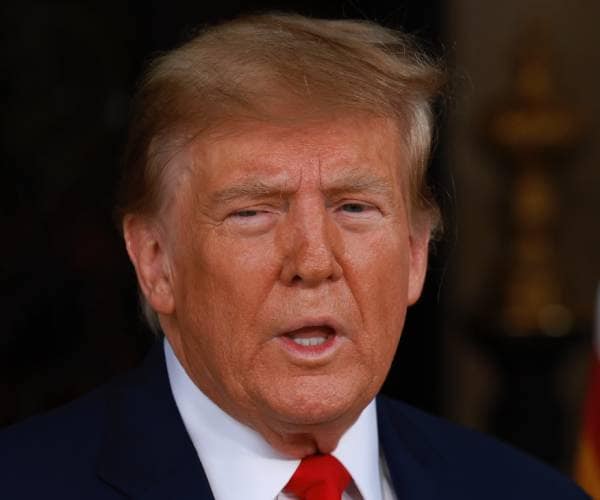
President Donald Trump announced a peace plan for Gaza Thursday, but the proposal is met with skepticism from both Israeli officials and Palestinians. Israel stated it will not withdraw from Gaza until Hamas, backed by Iran, is fully disarmed.
Hamas officials stressed that any agreement is conditional on an Israeli withdrawal from the Strip. This condition underscores a fundamental disagreement regarding security concerns; Israel prioritizes disarmament before withdrawal, while Hamas demands withdrawal as a prerequisite for any further negotiations. Palestinians in Gaza broadly question whether the plan will deliver lasting change.
The announcement comes amidst ongoing tensions and previous failed attempts at establishing a durable peace agreement between Israelis and Palestinians. The core issue remains the status of Gaza and the control exerted by Hamas, which is considered a terrorist organization by Israel and several Western nations. While details of Trump’s plan remain limited in public reporting, it appears to center on security guarantees and potential economic incentives.
The differing stances highlight the deep-seated mistrust between both sides. Israel's insistence on complete disarmament reflects concerns about ongoing rocket attacks and other forms of violence emanating from Gaza. Hamas views Israeli occupation as the primary obstacle to peace and demands a full withdrawal as a matter of principle. The plan’s viability hinges on bridging this gap, but current indications suggest significant hurdles remain.
With both Israelis and Palestinians voicing doubts, the future of Trump's proposal is uncertain.
Read the original coverage
💬 Comments
📜 Comment Policy