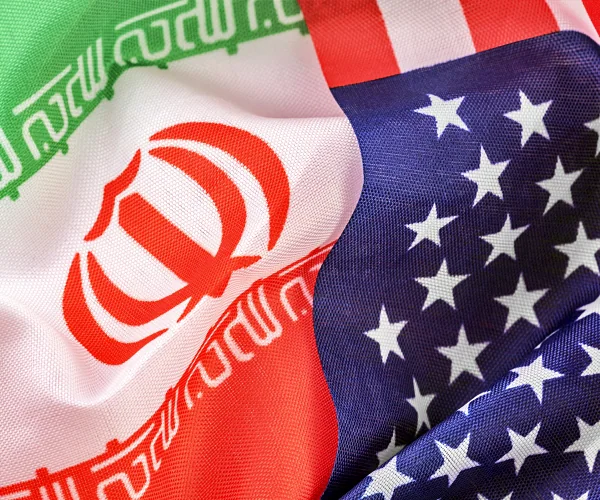
The six-month-old U.S. war with Iran has cost approximately $38 billion as of August 1, and is projected to cost an additional $2 billion to $3 billion per month as long as the conflict continues, according to a report released by the Congressional Budget Office. The CBO estimates that the war has already increased fuel prices and will likely raise inflation by 0.5 percentage points by the first quarter of 2027. A significant portion of the costs – over half – stems from replacing munitions, particularly interceptor missiles used for defense, with the U.S. having potentially used between one-half and two-thirds of its inventory since June 2025.
The CBO report, requested by Rep. Brendan Boyle, D-Pa., estimates $21.7 billion will be needed to replace munitions through August 1, including $13.1 billion for missile-defense interceptors and $7.3 billion for land-attack cruise missiles. An additional $1.9 billion will be required to replace lost equipment, such as a $500 million THAAD air defense radar destroyed by Iran. The Pentagon’s Office for Acquisition and Sustainment has already concluded the conflict has created “strategic inventory shortfalls and revealed industrial base bottlenecks for munitions resupply.”
The depletion of interceptor missiles raises concerns about U.S. readiness in the event of future conflicts, particularly with adversaries like China, which possesses a large arsenal of ballistic and cruise missiles. The war has also disrupted oil and natural gas shipments, driving up energy prices; U.S. crude topped $106 per barrel and gasoline averaged $4.33 per gallon nationally as of Tuesday. While President Trump claimed the U.S. has “virtually unlimited” ammunition, and Admiral Brad Cooper expressed confidence in U.S. arms, the CBO report and a separate Pentagon inspector general report paint a different picture. The Defense Department did not respond to CBO requests for information.
Left-leaning outlets emphasize the financial burden of the war on taxpayers and its contribution to inflation, while right-leaning coverage focuses on the Trump administration’s efforts to end the conflict and reopen the Strait of Hormuz. Not in dispute is the substantial financial cost and the strain on U.S. military resources.
Read the original coverage
💬 Comments
📜 Comment Policy