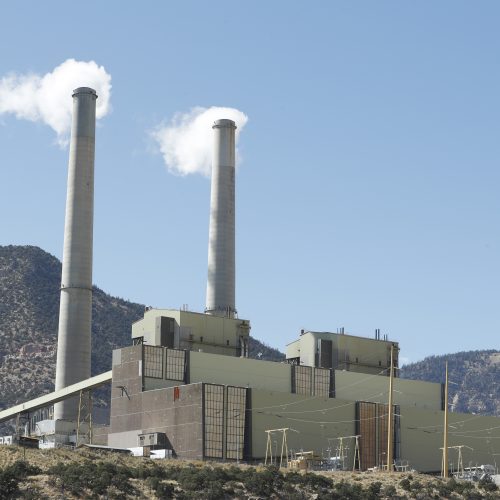
The Trump administration is moving to revoke the Environmental Protection Agency’s (EPA) authority to limit greenhouse gas emissions from coal and gas power plants, effectively dismantling a key legal foundation for federal climate regulation. The move, which includes repealing the Endangerment Finding for power plants, would strip the EPA of its ability to regulate the second-largest source of greenhouse gas emissions in the country. This follows a February repeal of the Endangerment Finding for motor vehicles.
The administration argues the 2024 Carbon Pollution Standards exceed the EPA’s authority under the Clean Air Act by requiring control technologies “that are not adequately demonstrated” and that remaining GHG emissions requirements for power plants have “no material impact on climate change.” This action is framed by the administration as reducing regulatory burdens and supporting the coal industry, which has received over $700 million in taxpayer funding despite the increasing cost-competitiveness of renewable energy sources like solar.
Environmental groups and former EPA officials argue the administration is undermining established science and the legal basis for climate regulation. Zealan Hoover, a former senior advisor to the EPA, stated the administration is “kicking the legs out from under the entire legal framework for regulating climate pollution by arguing that climate pollution does not harm human health or welfare.” Maggie Coulter, senior attorney at the Center for Biological Diversity’s Climate Law Institute, anticipates a “non-endangerment finding” that would eliminate the need to regulate greenhouse gas emissions, which she argues contradicts well-established science. Sierra Club Chief Program Officer Holly Bender called it “full-throated climate denial” occurring while communities face extreme weather events.
In May, solar energy generated more electricity than coal nationally, and Utah generated more energy from solar than any other source. Despite this, the administration continues to support the coal industry through subsidies and regulatory changes. The legal validity of the EPA’s actions is expected to be challenged in court.
Our reading is the administration appears determined to dismantle existing climate regulations, prioritizing support for the coal industry over scientific consensus and established legal precedent. The stated justifications, regulatory burdens and minimal climate impact, seem to be post-hoc rationalizations for a pre-determined outcome, particularly given the timing alongside record-breaking temperatures and warnings about climate risks. The differing emphasis across reporting suggests a focus on either the economic implications or the legal battles surrounding this decision.
Read the original coverage
💬 Comments
📜 Comment Policy