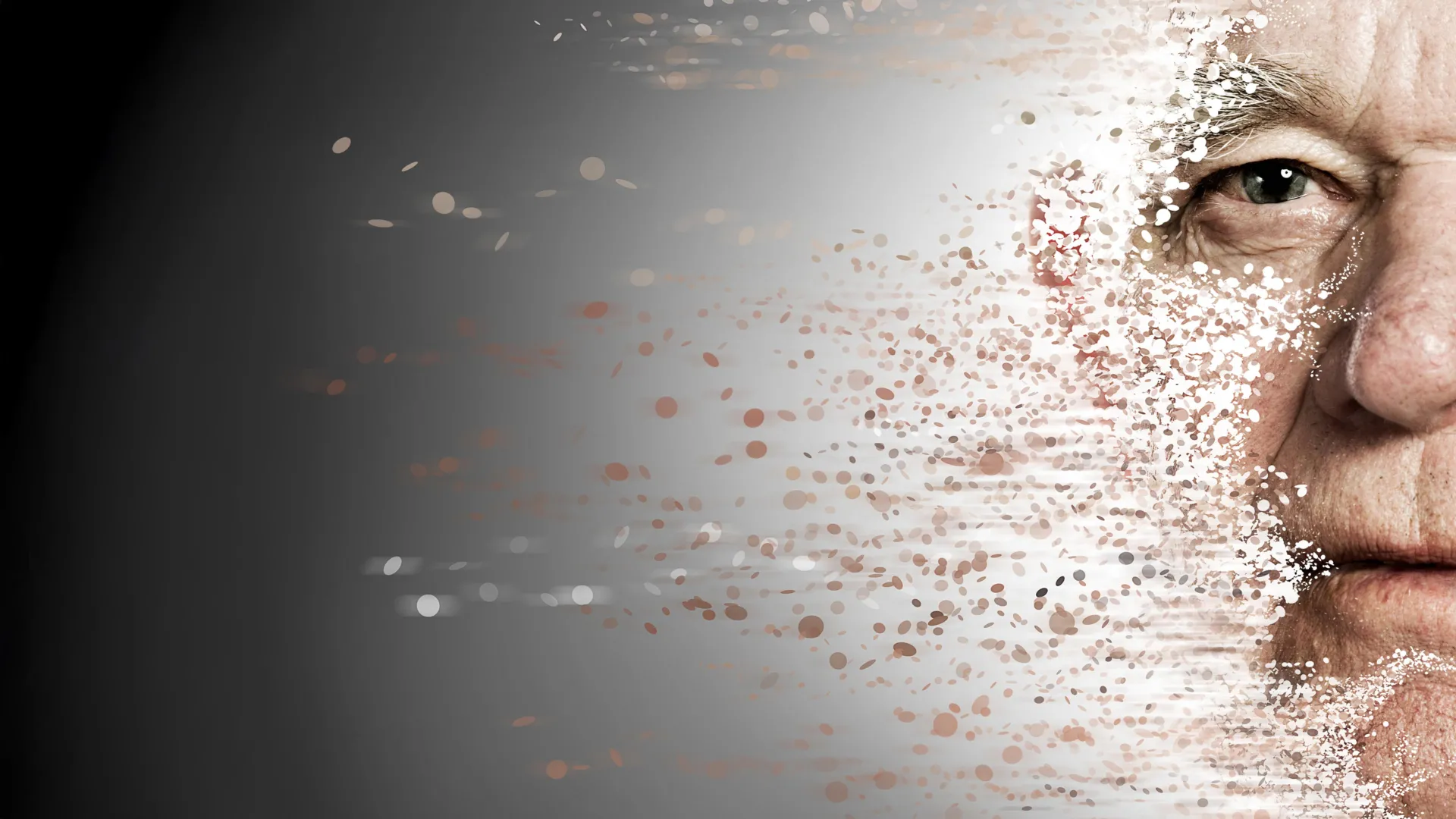
Scientists at the Hebrew University of Jerusalem have discovered that an overreaction of the immune system to damaged DNA may be a key driver of rapid aging in certain genetic disorders. The research challenges the long-held belief that unrepaired DNA is the primary cause of cellular decline.
The international research team, led by Dr. Marva Bergman and Prof. Itamar Harel, found that in severe DNA damage-repair (DDR) syndromes like Ataxia-Telangiectasia (A-T) and Bloom syndrome, the body’s immune response to broken DNA fragments can trigger chronic inflammation and interfere with DNA repair. These syndromes are characterized by malfunctioning cellular systems responsible for repairing DNA damage, leading to genomic instability, neurodegeneration, increased cancer risk, and premature aging.
According to Prof. Harel, “Our results show that the damage isn’t acting alone. It’s the body's response to that damage, an exaggerated, chronic inflammatory reaction, that drives much of the degeneration.” When DNA repair systems fail, DNA fragments can enter the cell’s cytosol and activate an immune sensor called cGAS. This sensor normally detects viral DNA, but it can mistakenly identify the body’s own damaged DNA as a threat.
By reducing the activity of the cGAS sensor, the researchers observed improvements in tissue health across multiple biological systems, suggesting that targeting this immune “false alarm” could offer a new approach to treating these debilitating conditions. The study indicates that persistent sterile inflammation, triggered by the misidentification of damaged DNA, plays a significant role in tissue degeneration.
Read the original coverage
💬 Comments
📜 Comment Policy