Researchers at the University of Rochester have created a new solar-powered desalination system that efficiently converts seawater into fresh water without producing harmful brine. The technology also has the potential to recover valuable minerals like lithium.
Around the world, approximately 2.2 billion people lack access to safely managed drinking water, according to United Nations estimates. Desalination plants are increasingly used in regions like California and the Middle East to address water scarcity, but current methods often generate a highly concentrated salty waste product called brine, which can harm marine ecosystems.
The University of Rochester team, led by Chunlei Guo, a professor of optics and physics and a senior scientist at URochester's Laboratory for Laser Energetics, developed an alternative approach described in a paper published in *Light: Science & Applications*. The system utilizes solar thermal desalination, designed to produce fresh water without liquid brine or the need for chemical pre-treatment of the seawater.
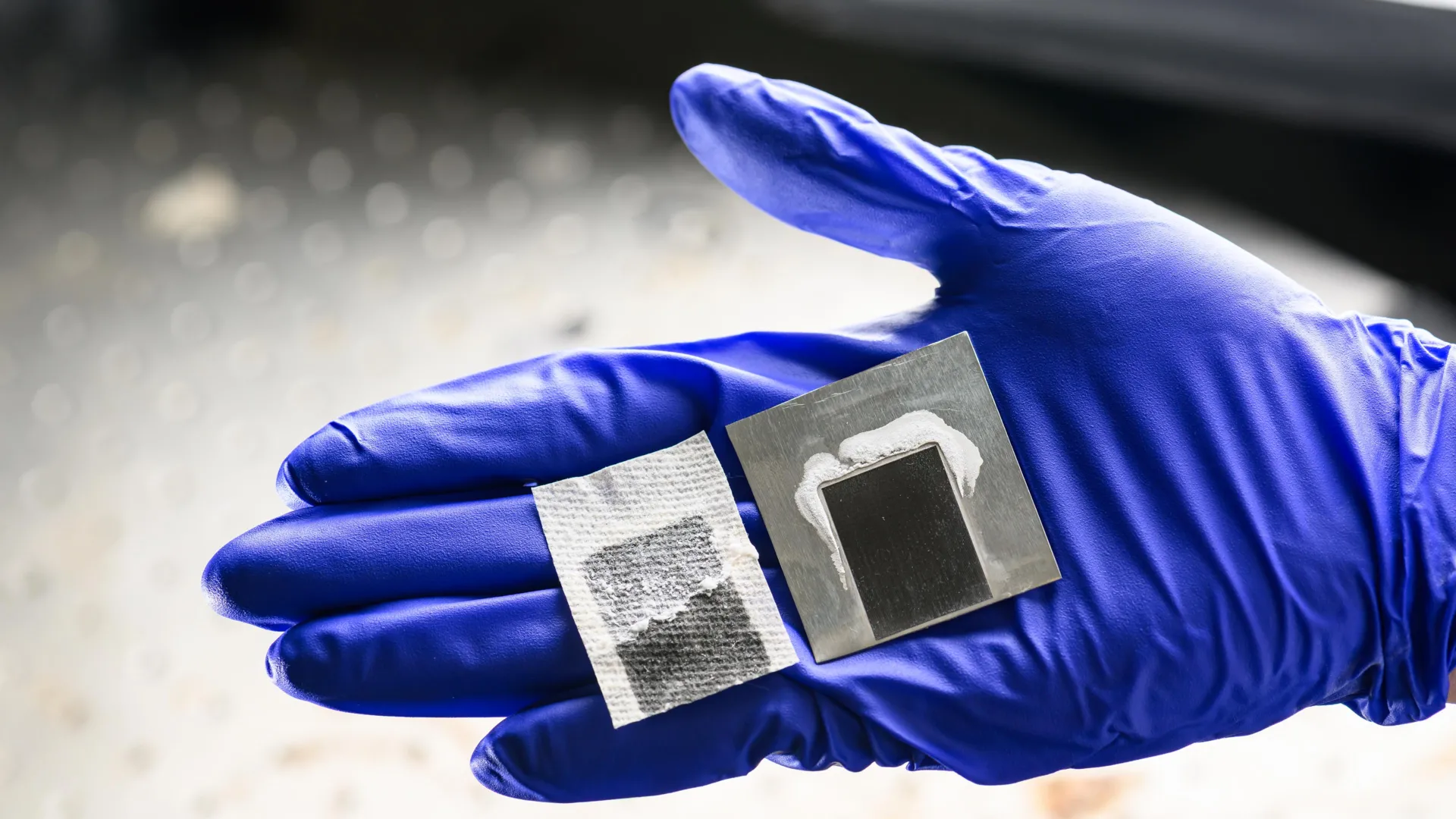
The core of the technology lies in solar panels constructed from black metal treated with femtosecond lasers – pulses lasting one quadrillionth of a second. These lasers precisely alter the material’s surface, creating microscopic structures that enhance light and water interaction. The laser treatment maximizes solar absorption and imparts superwicking properties, allowing water to spread rapidly across the surface instead of forming droplets.
Each panel features a laser-treated active region that draws a thin layer of seawater across its surface. The dark metal absorbs nearly all incoming solar radiation, heating the water.
Read the original coverage
💬 Comments
📜 Comment Policy