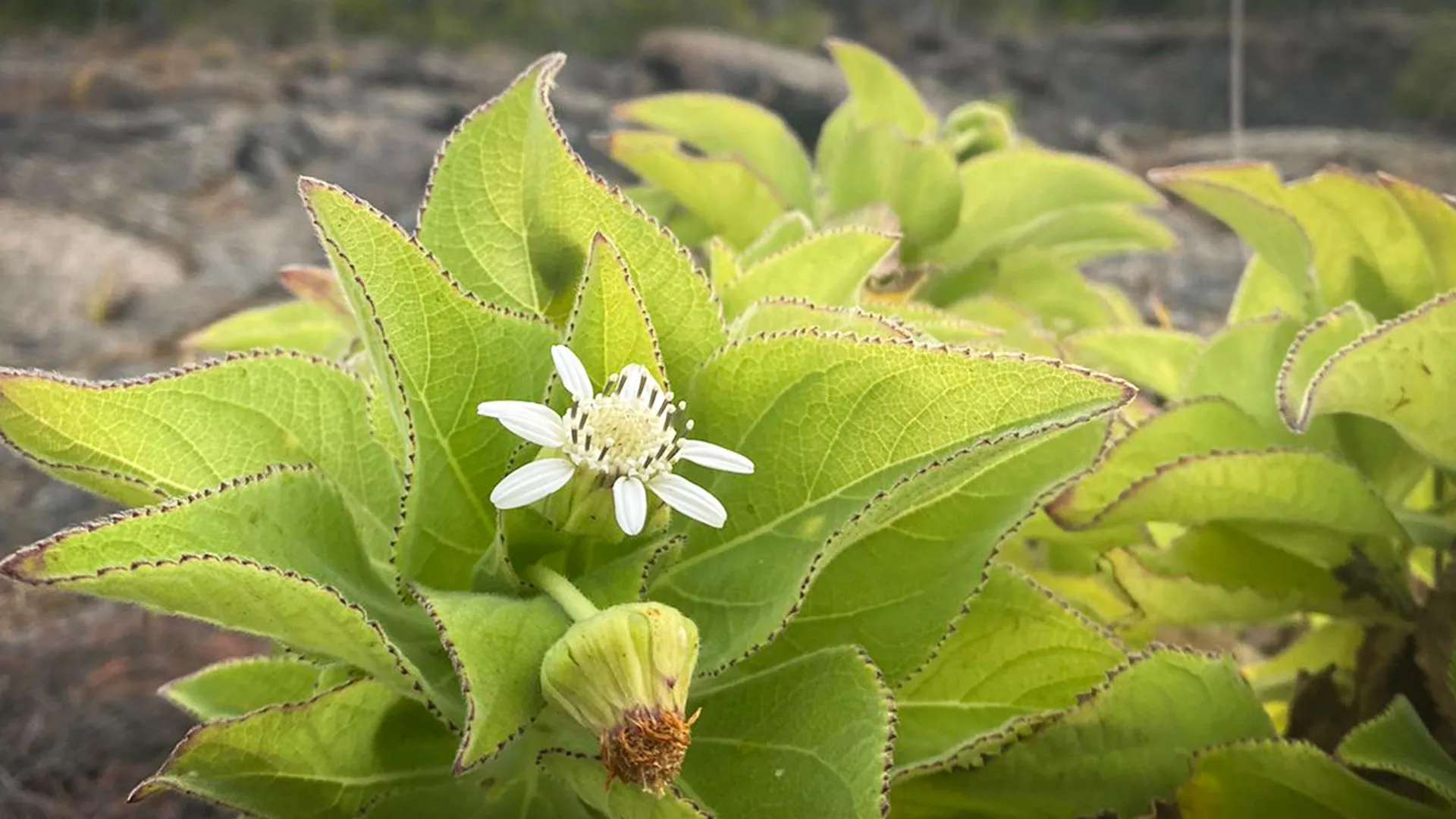
More than 150 years after Charles Darwin’s finches provided key insights into evolutionary biology, research on plants in the Galápagos Islands is revealing another example of evolution at work. Scientists have discovered that giant daisies repeatedly developed similar heat-tolerant leaf shapes, but did so using different genetic combinations.
The study, detailed by ScienceDaily, focuses on how plants adapt to their environment. Researchers found that despite developing similar physical traits – specifically heat-resistant leaves – different lineages of the giant daisy utilized distinct sets of genes to achieve this adaptation. This suggests evolution isn’t always following a single path; rather, multiple genetic routes can lead to the same outcome.
The research team also observed significant genetic differences between isolated populations of these plants. These variations indicate that new species may currently be in the process of forming within the Galápagos Islands. The findings highlight the ongoing nature of evolution and provide further evidence of the unique biodiversity found in this region, famously studied by Darwin.
We don't rate truth. We strip the spin and show you which perspectives covered the story. You decide.
Read the original coverage
💬 Comments
📜 Comment Policy