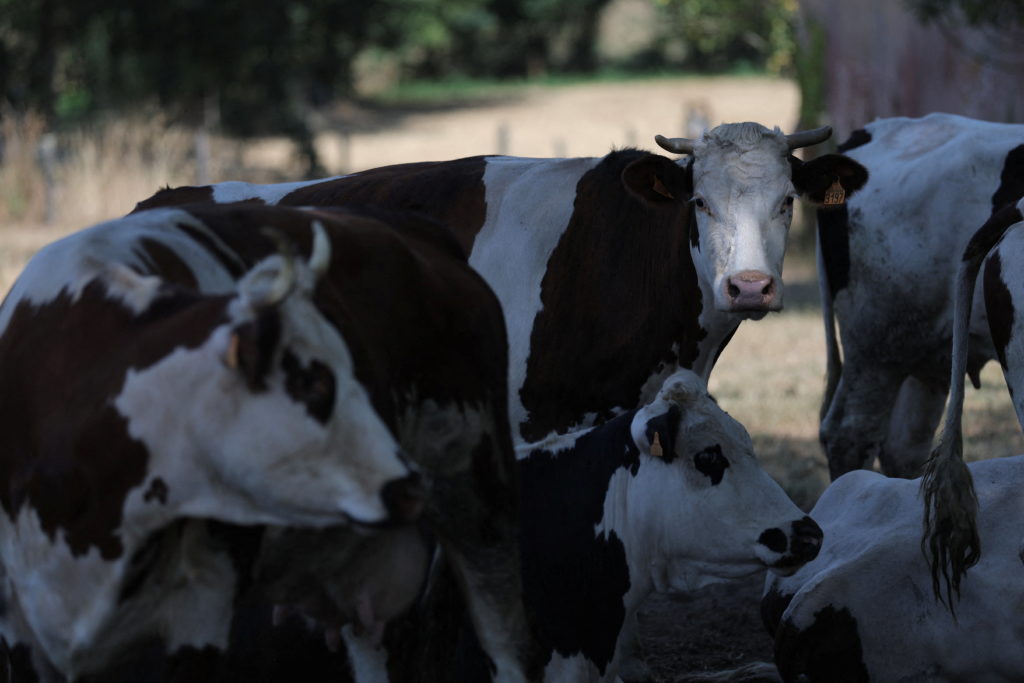
France has confirmed the first known human case of the Shamonda virus, a livestock disease, in a patient who died in early October. The patient was severely immunocompromised, and authorities believe the infection resulted from a bite from a culicoides midge in eastern France, where the virus has been circulating in animals since the spring. While the Shamonda virus has been detected in animals in Africa and Europe for decades, this marks the first documented instance of human infection. Health officials emphasize this is an isolated case and currently pose no health risk to the general public. The World Health Organization considers wider spread unlikely, but biological, clinical, and epidemiological investigations are underway, with collaboration from the European Center for Disease Control.
The virus, first identified in Nigeria in the mid-1960s, is typically transmitted by biting midges and primarily affects cattle, though cases have been reported in other livestock. This year has seen the virus spread across several European countries, including Austria, Belgium, and Germany. Symptoms in animals include fever, diarrhea, and reduced milk production. The French Ministries of Health and Agriculture stated that brain complications observed in the patient were likely linked to the Shamonda virus infection. Politico.eu reports that over 60% of emerging infectious disease threats are of zoonotic origin, highlighting the potential for diseases to jump from animals to humans. The European Centre for Disease Prevention and Control is carefully monitoring the situation and collaborating with French authorities to assess potential public health implications. While the exact cause of death is still under investigation, the case underscores the risk of zoonotic spillover and the need for vigilance regarding emerging infectious diseases.
Read the original coverage
💬 Comments
📜 Comment Policy