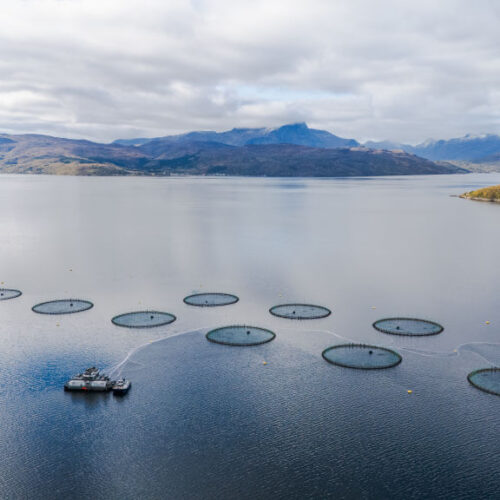
New research from USDA scientists suggests that farmed salmon may contain considerably lower levels of Omega-3 fatty acids than previously thought, potentially impacting dietary recommendations. The decline is linked to changes in salmon feed.
Currently, approximately 70 percent of the salmon consumed globally is farmed. The US Department of Agriculture’s Dietary Guidelines for Americans recommend at least 8 ounces of fish per week, specifically highlighting salmon and other species high in “heart-healthy” Omega-3 fatty acids. The American Heart Association shares similar recommendations.
However, the recent study indicates that these levels of Omega-3s in farmed salmon have dropped. Laura Lee Cascada, director of the Aquaculture Accountability Project, stated, “These old figures are what are still used in their national dietary guidance,” adding, “So in the meantime, it’s going to stay the same and people will have this wrong idea of how much Omegas they’re getting.” The report’s authors noted that their sample size was not large enough to immediately change government advice, and that “a broader and more representative study is warranted.” The USDA declined to comment further.
The research attributes the decline in Omega-3s to a shift in the diet of farmed salmon. Traditionally fed smaller fish species, farmed salmon are now increasingly fed a diet that includes land-based oils and crops like soy and canola. A 2016 study similarly identified this shift toward a crop-intensive diet as a contributing factor to declining Omega-3 levels.
Read the original coverage
💬 Comments
📜 Comment Policy