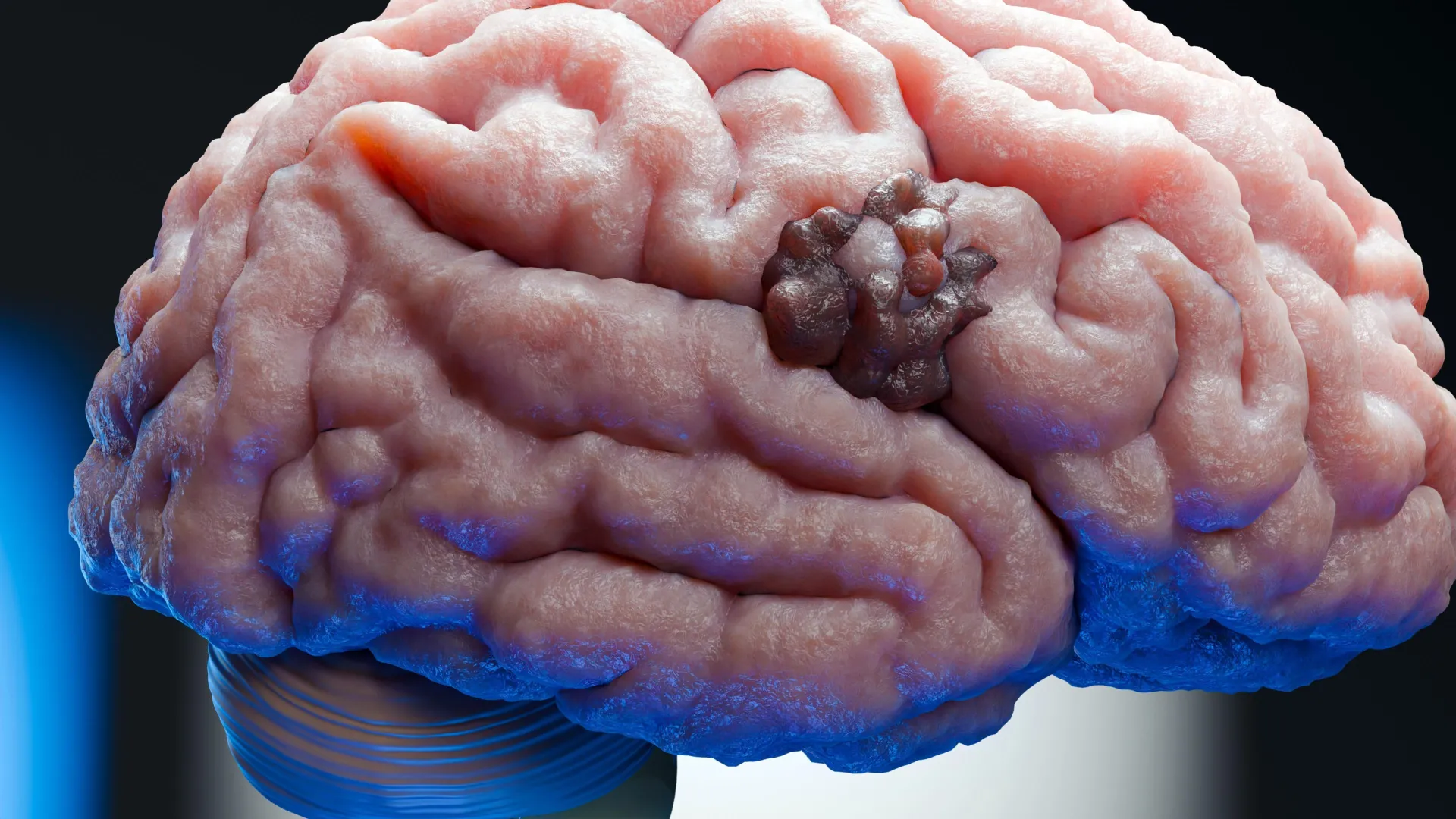
Researchers at The Ohio State University Comprehensive Cancer Center – Arthur G. James Cancer Hospital and Richard J. Solove Research Institute have identified a protein, SET, as a potential target to improve treatment for glioblastoma, a lethal form of brain cancer. Blocking SET prevented tumor development in preclinical models, and targeting related proteins increased cancer cell vulnerability to radiation.
The strategy focuses on restoring activity of PP2A, an enzyme that glioblastoma cells suppress. Arnab Chakravarti, MD, chair of radiation oncology at the OSUCCC – James, explained, “Glioblastoma is hard to treat because it can adapt and survive. Our findings suggest that restoring PP2A activity may make glioblastoma cells less able to survive treatment. That gives us a clear path to test whether this approach can make radiation and chemotherapy more effective for patients with GBM.”
In laboratory and animal models, blocking the proteins ANP32A, CIP2A, and SET resulted in fewer surviving cancer cells and increased vulnerability to radiation. Researchers are now investigating whether targeting SET or other PP2A-suppressing proteins is safe and could enhance standard glioblastoma therapies. They are also examining an FDA-approved antipsychotic drug known to increase PP2A activity.
Read the original coverage
💬 Comments
📜 Comment Policy