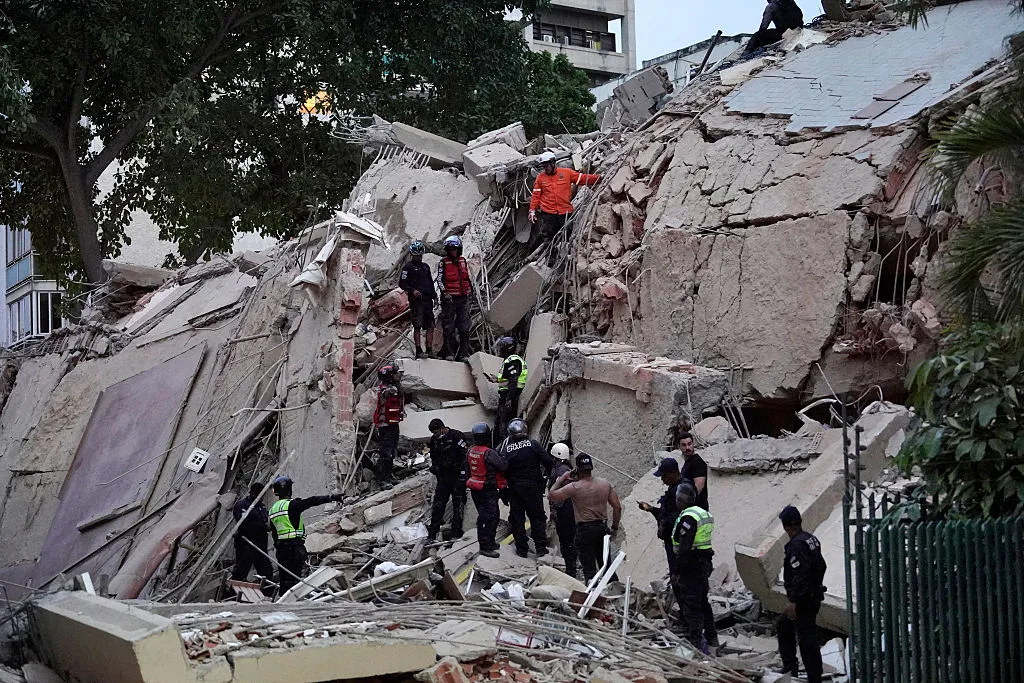
Two powerful earthquakes struck Venezuela in a short span, with the second quake causing significant damage to buildings in Caracas and La Guaira. According to a report from *Wired*, factors such as the short interval between the two quakes and variations in soil types contributed to the structural failures observed. Some buildings collapsed while others remained intact, highlighting the complex interplay of geological and architectural variables in seismic events.
A report from *El País* noted that the damage has reignited discussions about building safety standards in earthquake-prone regions. The article referenced lessons learned in Chile, where stricter construction regulations have been implemented following past seismic events. Experts in the field have pointed to the need for updated building codes and enforcement to mitigate risks in seismically active areas.
The reports do not provide specific casualty figures or detailed assessments of the damage beyond general descriptions of structural failures. No named officials or organizations are cited in the provided excerpts, and the sources do not attribute blame or policy failures to any specific entity. The focus remains on the technical and environmental factors influencing the earthquake's impact.
The situation remains under evaluation, with no indication of immediate policy changes or new regulations being introduced at this time. The reports emphasize the importance of understanding soil composition and building design in earthquake-prone regions, as well as the need for ongoing research and infrastructure assessments.
Read the original coverage
💬 Comments
📜 Comment Policy