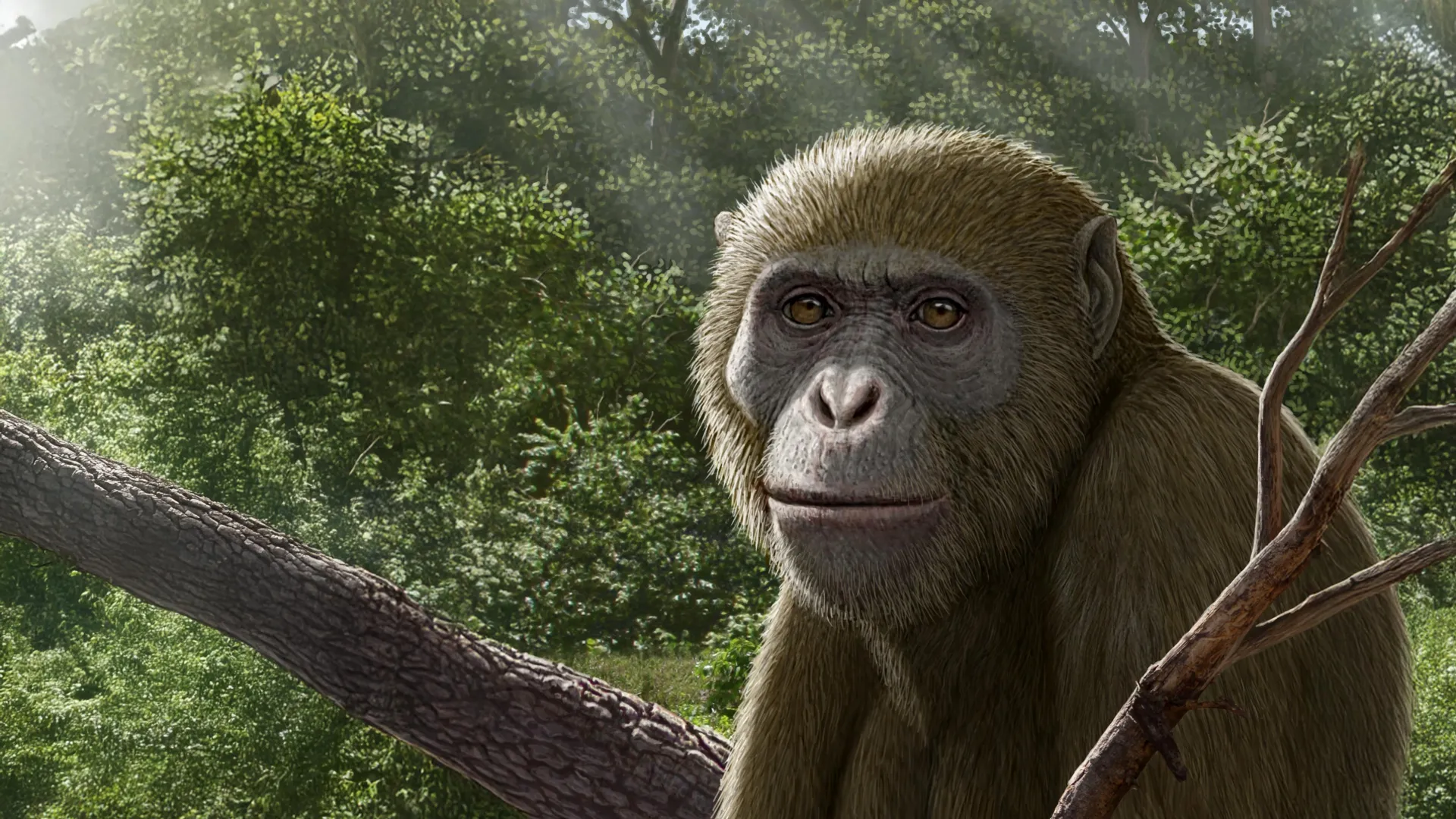
A newly discovered ape fossil in Egypt is prompting scientists to reconsider the origins of modern apes, including humans. The find suggests North Africa may have played a crucial role in early ape evolution.
A newly identified fossil ape from northern Egypt is reshaping ideas about where the ancestors of modern apes first emerged. Analyses place it closer to living apes than any known East African species of the same age. This discovery points to North Africa and the Middle East as a possible birthplace and crossroads for the ape lineage that eventually produced gibbons, orangutans, gorillas, chimpanzees, and humans.
The significance of this fossil lies in its evolutionary position. Researchers believe it represents a previously unknown branch on the ape family tree. The analysis indicates this Egyptian ape is more closely related to modern apes than other fossils found in East Africa from similar time periods. This challenges the long-held assumption that East Africa was the primary center for ape evolution.
The findings suggest that the evolutionary story of apes may be more complex and geographically diverse than previously understood. The fossil provides evidence that North Africa, along with the Middle East, could have been a critical region in the early stages of ape development and dispersal.
We don't rate truth. We strip the spin and show you which perspectives covered the story. You decide.
Read the original coverage
💬 Comments
📜 Comment Policy