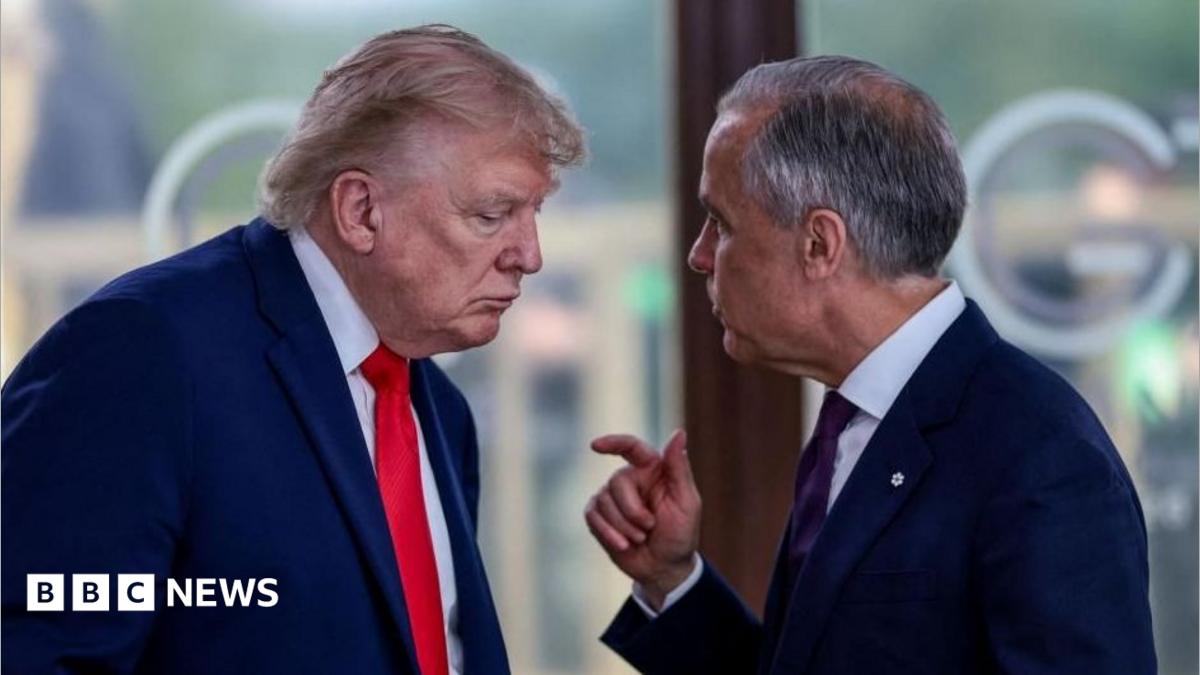
Canada’s retaliatory tariffs on $27.6 billion worth of US goods took effect Tuesday, escalating a trade war with the United States. The move follows the collapse of trade negotiations last month and comes after the US imposed tariffs on Canadian steel, aluminum, lumber, and other products, including cars, dairy, and alcohol. Canadian Prime Minister Mark Carney described the tariffs as “dollar-for-dollar” retaliation, applying levies ranging from 15% to 50% on items like furniture, appliances, and agricultural equipment. The US currently has a 25% tax on Canadian cars and trucks.
US Trade Representative Jamieson Greer blamed Canada for the breakdown in talks, stating the US offered “the best deal” which Canada rejected. Carney, however, said Canada remains open to a “durable” agreement when the US is “ready.” President Donald Trump has threatened further escalation, including a ban on Bombardier aircraft sales in the US and a renaming of Lake Ontario to “Lake America.”
The economic impact of the tariffs is drawing concern from businesses on both sides of the border. The Detroit-based Canada and US Business Association warned the escalating tariffs will harm workers and consumers, disrupting production and weakening competitiveness. The Financial Accountability Office of Ontario estimates the new tariffs could cost 119,000 jobs in the province in 2026, particularly in the auto industry. While the impacted goods represent a relatively small portion of overall trade—around 6% of annual US exports to Canada—economists say small- to medium-sized businesses will be severely affected. Canada has announced a $7.5 billion support package for businesses and workers, adding to a previous $25 billion commitment.
Left-leaning outlets emphasize the damaging effects of the tariffs on cross-border relations and the economies of both countries, while right-leaning coverage focuses on the US position that Canada rejected a favorable deal.
Read the original coverage
💬 Comments
📜 Comment Policy