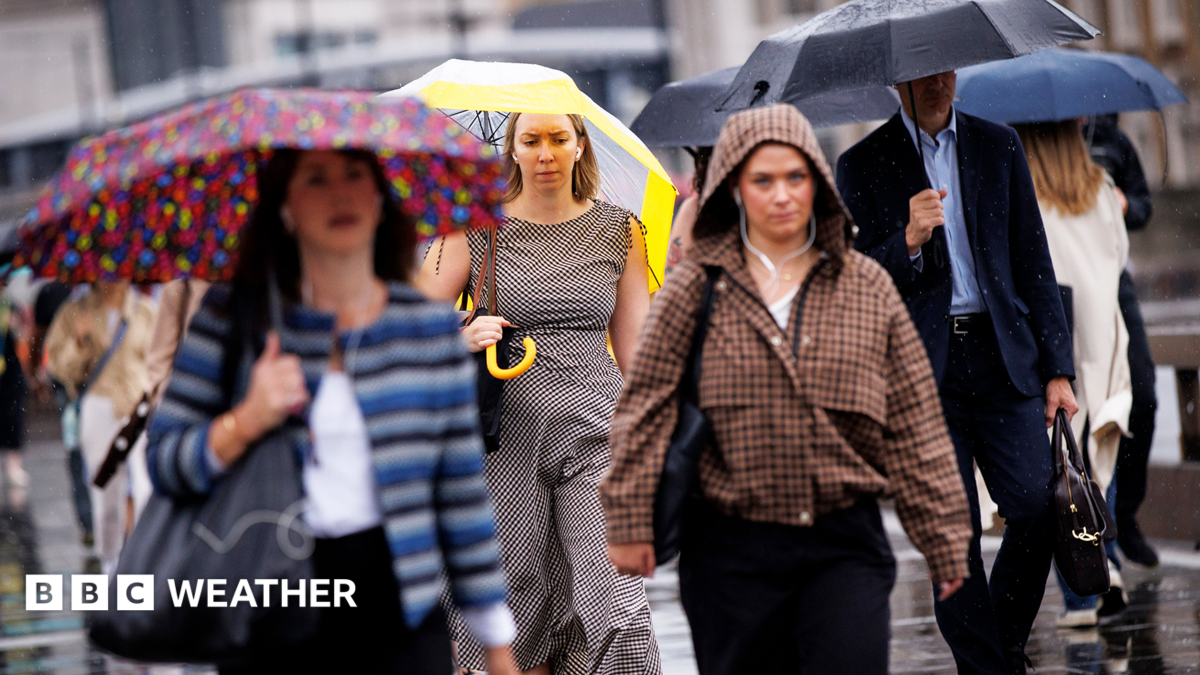
Despite experiencing the heaviest rainfall in seven months between August 28th and September 3rd, hosepipe bans remain in effect across ten water company areas in England, impacting approximately 30 million people. The Environment Agency reports that while rainfall totals ranged from 26mm in southeast England to 48mm in central England during that period, water storage at public supply reservoirs continued to decline, with eleven reservoirs now less than half full and nine classified as having exceptionally low storage. Average reservoir levels nationally have dropped to 58 percent. The agency stresses that “considerable further rainfall” is needed to return conditions to normal.
Recent rainfall has been unevenly distributed. Parts of Scotland have already received nearly 60% of their average September rainfall in the first week of the month, while areas of southern England and south Wales have seen less than 1% of their average. The National Drought Group confirmed that the drought status and temporary use bans remain unchanged. While cooler weather has decreased water demand, the Environment Agency states that sustained rainfall is necessary to reverse drought conditions.
Prime Minister Andy Burnham, in his first Commons address, criticized England’s water infrastructure as “a leaking monument” to privatization, citing a lack of reservoir capacity and sewage spills. Provisional Met Office data confirms that summer 2023 was the UK’s hottest on record. The long-range forecast currently indicates no significant rainfall is expected across England and Wales in the next month, suggesting drought conditions may persist.
Read the original coverage
💬 Comments
📜 Comment Policy