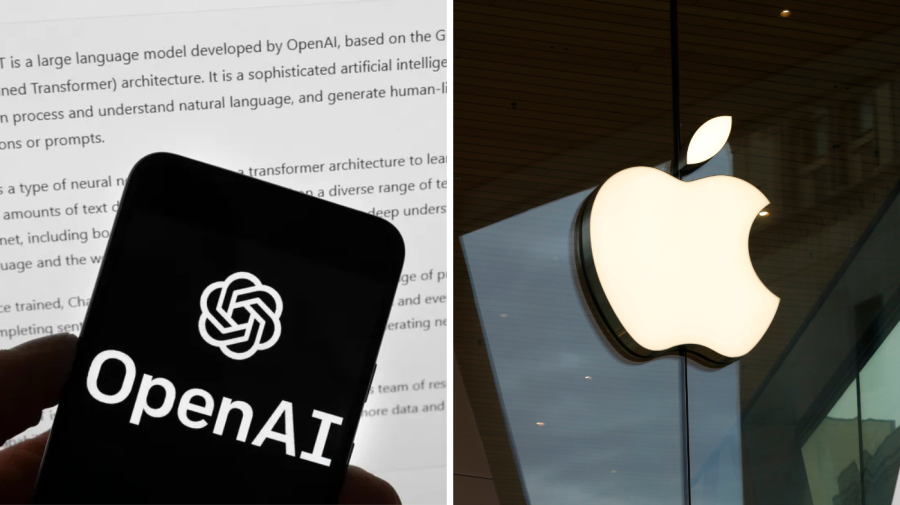
Apple has filed a lawsuit against OpenAI, accusing the artificial intelligence firm and two former employees of stealing trade secrets related to Apple’s hardware. The complaint alleges a deliberate pattern of misconduct aimed at benefiting OpenAI's development of consumer hardware.
The suit claims that OpenAI actively recruited Apple employees, encouraging them to share confidential information including presentations, prototypes, and supplier details. According to the filing, this occurred “at every level” of the company and was directed by senior leadership, including a former long-time employee at Apple. The stolen trade secrets reportedly encompass proprietary information about unannounced products and internal tools and processes.
The legal action marks a significant rupture in what had been a collaborative partnership between the two Silicon Valley giants; ChatGPT was integrated into the iPhone’s operating system in 2024. Newsmax reports that Apple is seeking to prevent OpenAI from using the allegedly stolen information as it builds its own hardware for ChatGPT.
The complaint details how OpenAI sought access to confidential data through job interviews, specifically targeting individuals with knowledge of Apple's proprietary technologies. Wired reported that Apple claims OpenAI encouraged poached employees to bring over confidential presentations, secret prototypes, and key supplier details. Engadget quoted the lawsuit calling OpenAI’s hardware business “rotten to its core.”
The Financial Times notes this suit signals the collapse of a relationship between two major players in Silicon Valley. The Washington Examiner describes the alleged theft as ‘pervasive.’ While no right-leaning sources reported on the specifics of the allegations, Newsmax did cover the filing of the lawsuit.
The case raises questions about the boundaries of competition and intellectual property protection within the rapidly evolving AI landscape.
Read the original coverage
💬 Comments
📜 Comment Policy