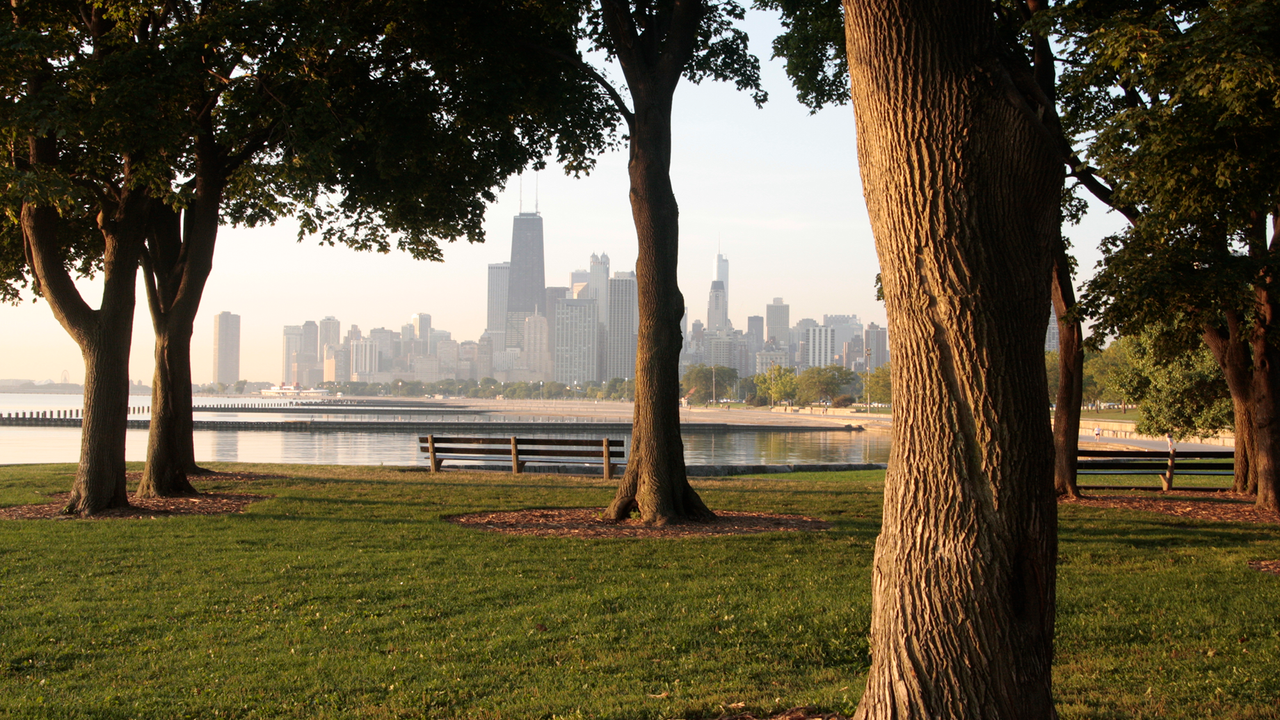
A new study tracking tree cover in Chicago neighborhoods over eleven years has found a correlation between declining tree canopy and increased death rates, particularly during periods of extreme heat. Researchers discovered that as tree coverage diminished in certain areas, the number of deaths rose, suggesting mature trees offer greater health benefits than simply planting new ones.
The 11-year study focused on Chicago neighborhoods and revealed a concerning trend: areas experiencing a loss of tree canopy also saw an increase in mortality rates. This effect was most pronounced during the hottest periods, indicating that trees play a crucial role in mitigating heat stress and protecting public health. The research did not specify *how* many deaths were linked to tree loss, only that a correlation existed.
The findings suggest that preserving existing mature trees may be more effective at safeguarding people’s health than focusing solely on planting new saplings. Mature trees provide greater immediate shade and cooling effects compared to younger trees, which take time to grow and offer limited protection from extreme temperatures. This is especially important in urban environments where the ‘urban heat island effect’ exacerbates heat-related illnesses and deaths.
We don't rate truth. We strip the spin and show you which perspectives covered the story. You decide.
Read the original coverage
💬 Comments
📜 Comment Policy