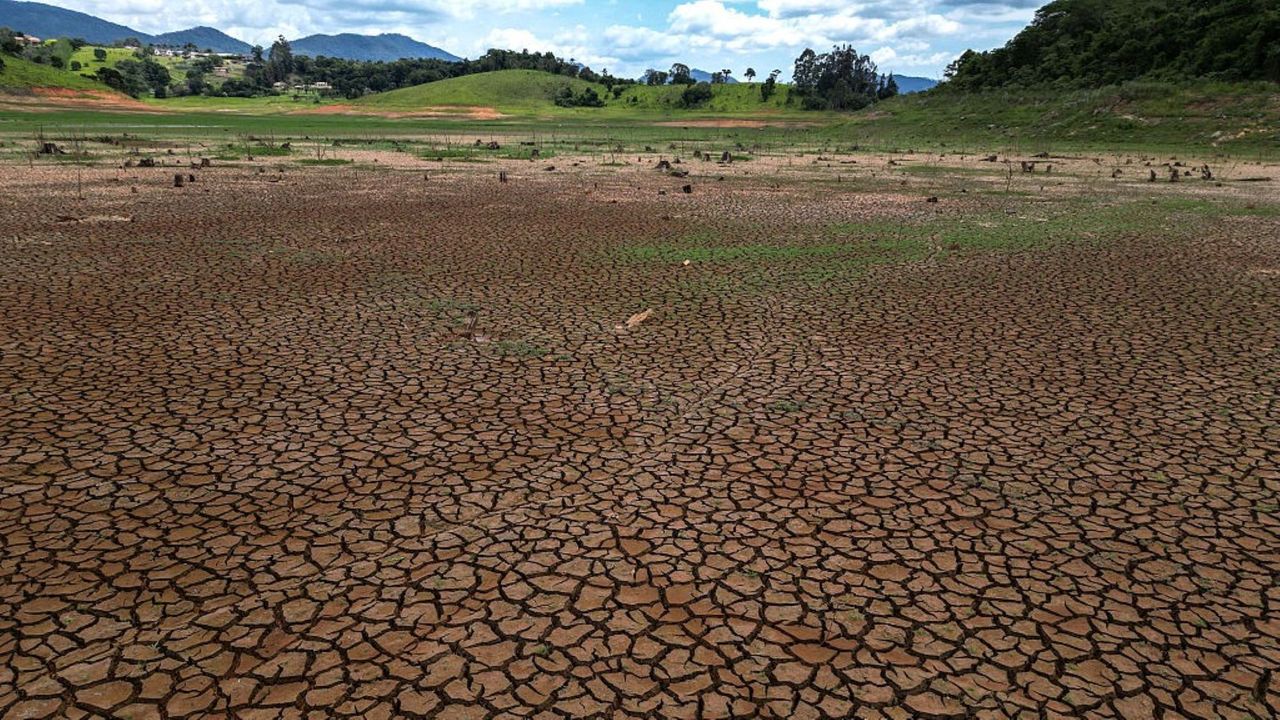
New research indicates that critical aquifers in Brazil are not being replenished, potentially impacting the nation’s water supply and food exports. The findings suggest a serious problem if this lack of replenishment becomes consistent.
According to recent research, some of Brazil's most important aquifers—those located beneath major agricultural regions—are failing to recharge adequately. This poses a significant threat to both the country's domestic water resources and its ability to maintain current levels of food production for export.
The implications are far-reaching, as Brazil is a key global supplier of various agricultural products. A decline in aquifer replenishment could lead to reduced crop yields and disruptions in international food markets. As stated in Live Science, “If this is the new normal, then we are in very deep trouble.” The research doesn’t specify *why* these aquifers aren't replenishing, but highlights the severity of the situation if current trends continue.
The study underscores a growing concern about water scarcity and its potential to exacerbate existing global challenges. Without adequate groundwater recharge, Brazil may face increasing difficulties in meeting both internal demand for water and its commitments as a major exporter of food products.
We don't rate truth. We strip the spin and show you which perspectives covered the story. You decide.
Read the original coverage
💬 Comments
📜 Comment Policy