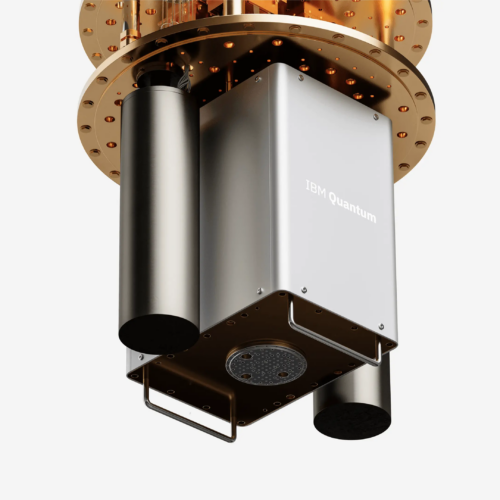
Recent advancements have allowed quantum computers to outperform classical computers in tasks where the results can be verified, addressing a key challenge in the field. Researchers are focusing on methods to ensure the trustworthiness of quantum computations.
The core issue facing quantum computing is verification. Because quantum systems are prone to errors and their calculations are fundamentally different from those of classical computers, it’s difficult to confirm that a quantum computer has actually solved a problem correctly using only classical means. This limitation hinders progress because without reliable validation, it's hard to know if observed performance gains are genuine or simply the result of error.
The article details three approaches being used to tackle this verification issue. These methods aim to provide confidence in quantum results by allowing researchers to check their accuracy despite the inherent difficulties. The specifics of these approaches weren’t detailed, but the overarching goal is to establish trust in quantum computations and accelerate development.
This breakthrough is significant because it moves beyond simply demonstrating that a quantum computer *can* outperform a classical one – which has been shown before in contrived scenarios – to showing performance gains with results that can be reliably confirmed. This is crucial for practical applications of quantum computing, as users need assurance that the answers they receive are correct.
We don't rate truth. We strip the spin and show you which perspectives covered the story. You decide.
Read the original coverage
💬 Comments
📜 Comment Policy