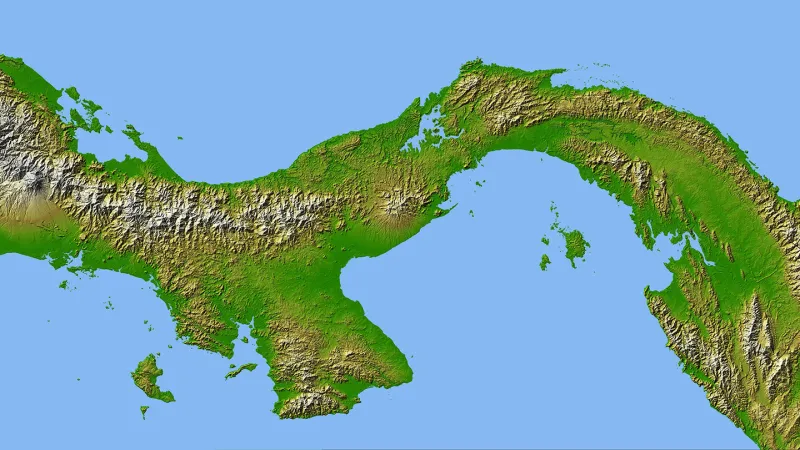
Ancient mammals traveling between North and South America may have benefited from the climate conditions present in Mexico, according to new research. The Isthmus of Panama presented a crucial migratory route, and favorable Mexican climates likely eased passage.
The Isthmus of Panama served as a land bridge connecting North and South America, allowing for the movement of animals between the continents. However, traversing this region wasn’t necessarily straightforward. Researchers suggest that Mexico's climate played a significant role in making this journey easier for ancient mammals.
According to science_news, the research indicates that Mexico provided more hospitable conditions than other parts of the Isthmus. This allowed mammals moving from north to south—and vice versa—to navigate the area with greater ease. The source does not specify *which* mammals benefited or a timeframe for this migration.
The study highlights the importance of regional climate variations in influencing large-scale animal movements. While the Isthmus of Panama is well known as a critical point for the Great American Biotic Interchange, the role of surrounding areas like Mexico has received less attention until now.
We don't rate truth. We strip the spin and show you which perspectives covered the story. You decide.
Read the original coverage
💬 Comments
📜 Comment Policy