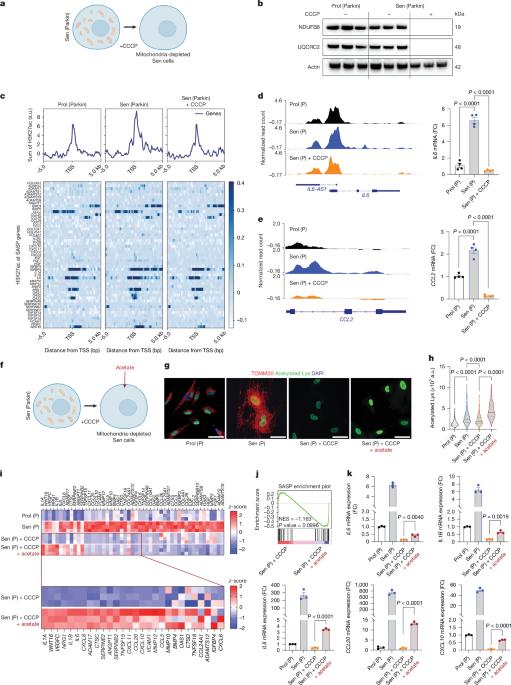
New research published in *Nature* details how mitochondrial activity influences cellular senescence and inflammation. The study, published online July 29, 2026, identifies a connection between mitochondrial metabolism and epigenetic changes that drive the secretion of inflammatory molecules.
The research team found that in senescent cells, acetyl-CoA derived from mitochondria promotes histone acetylation. This process increases chromatin accessibility specifically at locations within the genome associated with inflammatory genes. Essentially, this makes it easier for these genes to be activated, leading to increased inflammation.
The study further demonstrated that inhibiting SLC25A1 – a specific protein involved in mitochondrial function – attenuates these effects. This suggests that targeting mitochondrial metabolism could potentially delay age-related functional decline. Researchers believe the epigenetic crosstalk between mitochondria and the genome is key to understanding and addressing the aging process.
The findings, detailed in the article with doi: 10.1038/s41586-026-10791-2, underscore the therapeutic potential of manipulating mitochondrial metabolism to combat age-related diseases and maintain healthy function for longer.
We don't rate truth. We strip the spin and show you which perspectives covered the story. You decide.
Read the original coverage
💬 Comments
📜 Comment Policy