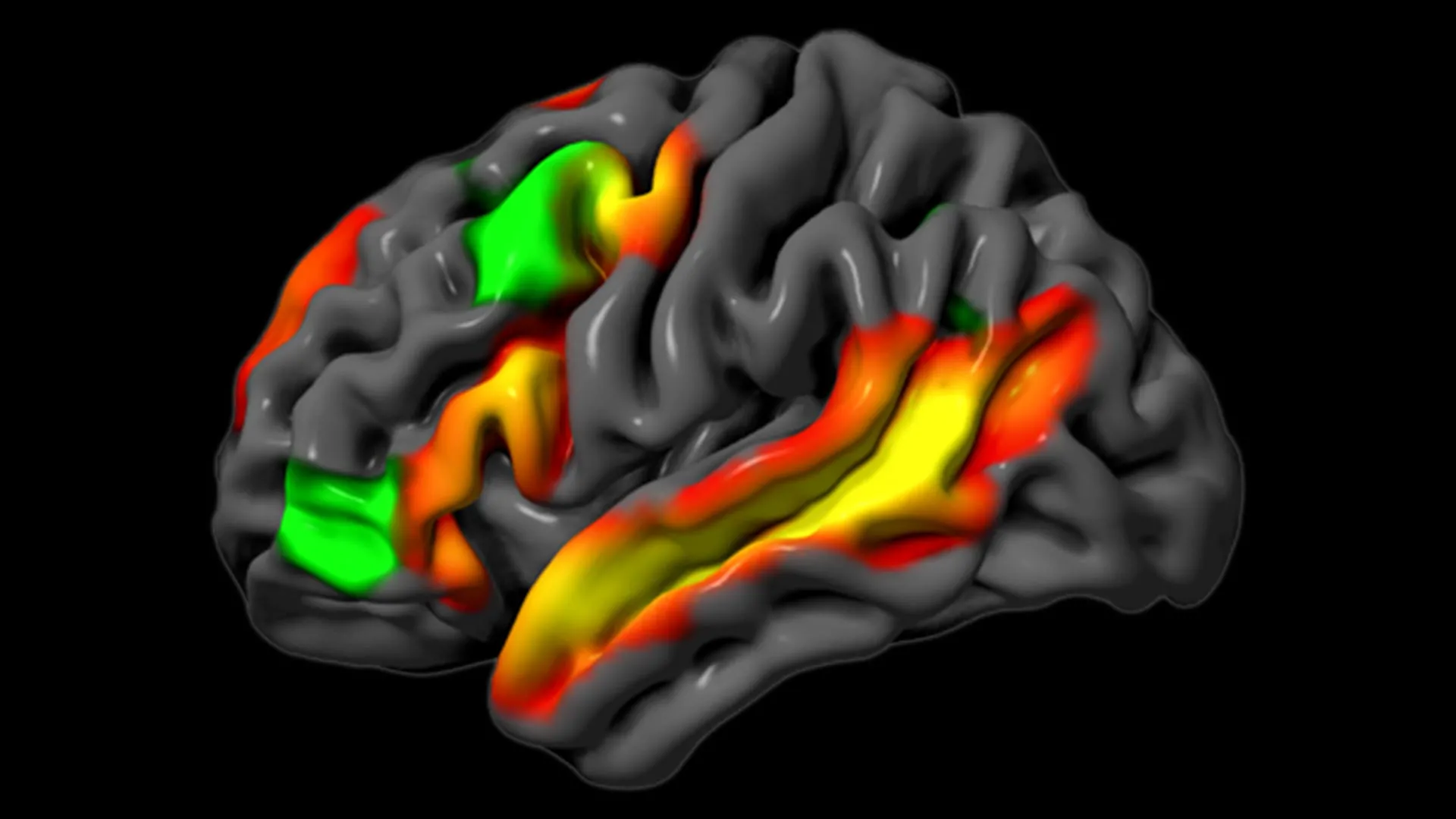
MIT neuroscientists have discovered that the brain’s capacity for logical reasoning is distinct from its language processing abilities. The research, which involved individuals with severe language impairments, suggests these two functions are handled by separate systems within the brain.
The study revealed that even people who had suffered strokes resulting in significant language difficulties were able to solve complex logic puzzles at a level comparable to those without such impairments. Researchers observed this while conducting brain scans during the reasoning tasks. These scans showed minimal activity in the areas of the brain typically associated with language processing.
This finding indicates that logical reasoning doesn't *require* linguistic ability, challenging previous assumptions about how these cognitive functions interact. The research team at MIT found “striking evidence” that language and logical reasoning are powered by separate systems. This suggests the brain can perform complex thought processes independent of verbalization or internal monologue.
We don't rate truth. We strip the spin and show you which perspectives covered the story. You decide.
Read the original coverage
💬 Comments
📜 Comment Policy