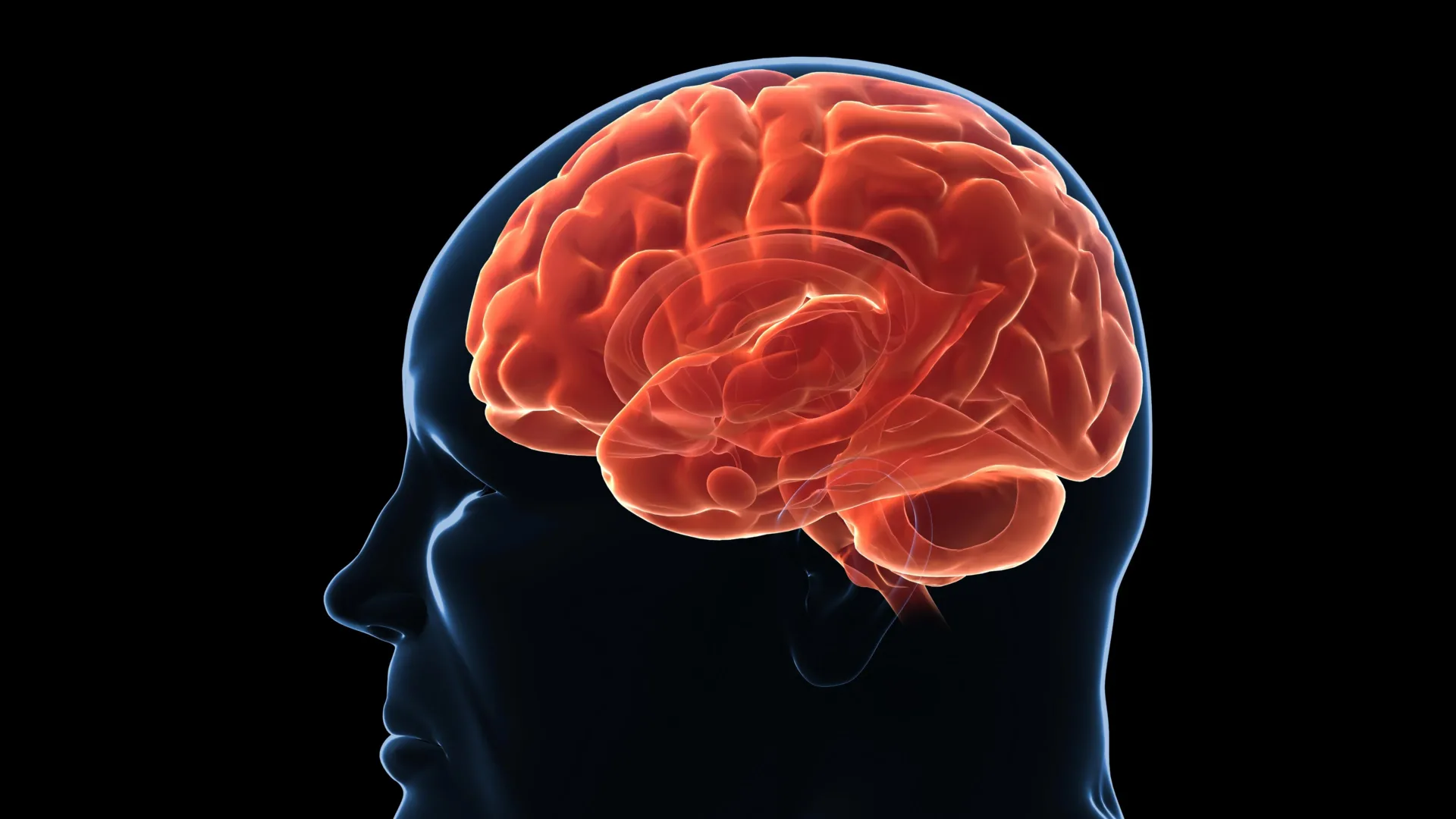
New research suggests the human brain is biologically predisposed to regain lost weight, not due to a lack of willpower. The brain evolved to protect fat stores during times of scarcity and can recalibrate to view a previous higher weight as normal, increasing hunger and decreasing energy expenditure after weight loss. Medications like Wegovy and Mounjaro may offer temporary relief by suppressing appetite signals.
The human brain's evolutionary history plays a significant role in the difficulty many face maintaining weight loss, according to recent findings. The research indicates that weight loss isn’t simply about willpower; rather, it's a complex biological process rooted in how our brains evolved to survive periods of food scarcity.
Specifically, the brain appears to possess a “memory” of previous higher weights. After someone loses weight, the brain can treat that earlier, heavier state as the new normal. This triggers physiological responses designed to restore fat stores, including increased hunger, stronger cravings, and reduced energy expenditure.
The findings help explain why so many individuals experience weight regain after dieting. The study also sheds light on how medications such as Wegovy and Mounjaro function; these drugs work by reducing appetite signals, but their effects may diminish once treatment is discontinued.
We don't rate truth. We strip the spin and show you which perspectives covered the story. You decide.
Read the original coverage
💬 Comments
📜 Comment Policy