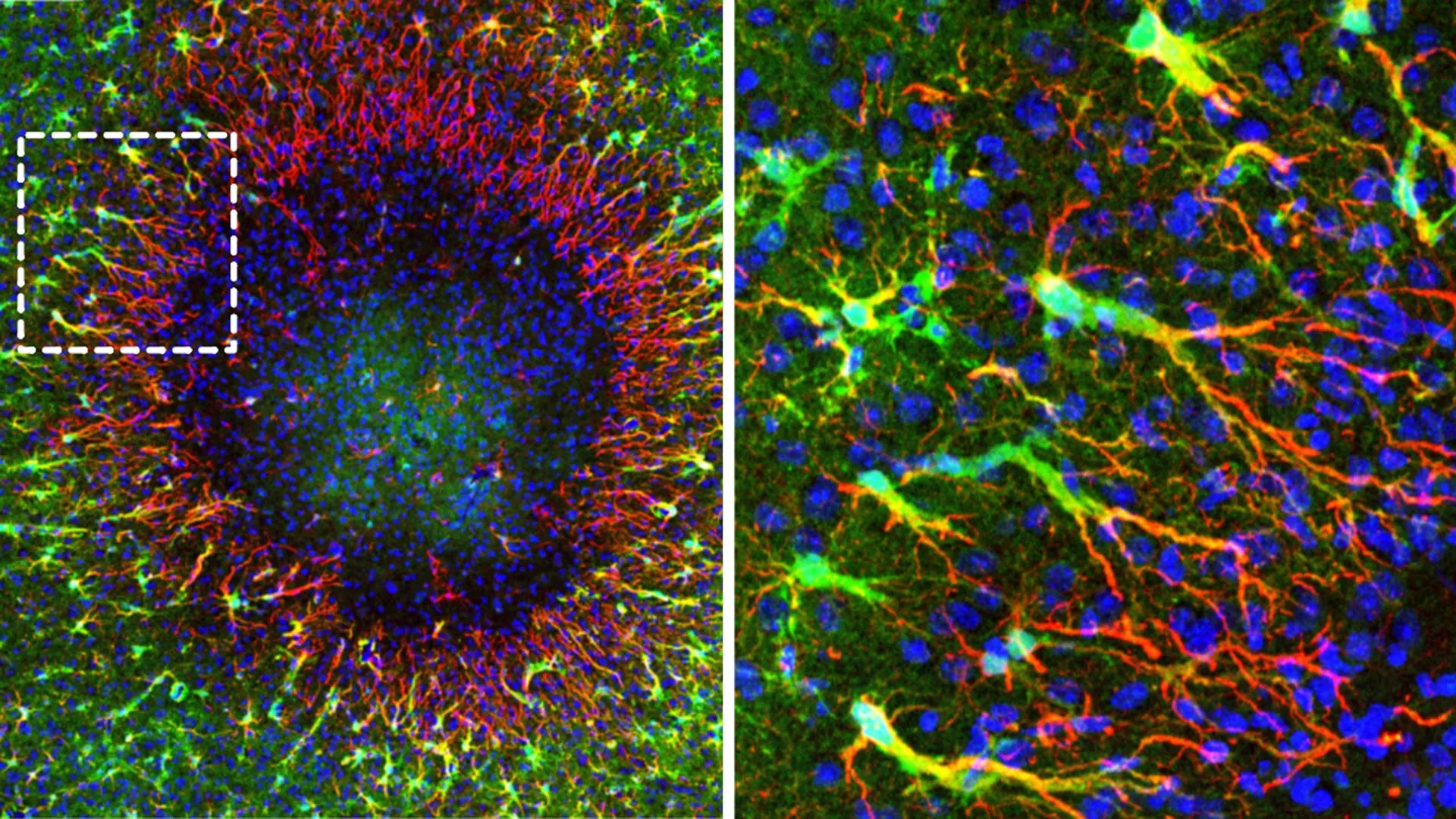
Researchers have discovered that the adult brain possesses a greater capacity for self-repair than previously understood. A study conducted on mice revealed that astrocytes, a type of support cell in the brain, actively rebuild damaged cellular networks.
The research team found that these astrocytes don’t simply fill injured areas; they undergo a unique process to facilitate repair. According to ScienceDaily, these cells create new nuclei and extend them through long cellular projections to repopulate regions affected by damage. This allows for rebuilding of lost connections within the brain.
The study focused on observing this phenomenon in mice, but the findings suggest that similar processes may occur in human brains. The discovery challenges previous assumptions about the limited regenerative capabilities of adult brain tissue and opens avenues for further investigation into potential therapies for neurological injuries and diseases. The precise mechanisms driving this process and its full extent in humans remain areas of ongoing research.
We don't rate truth. We strip the spin and show you which perspectives covered the story. You decide.
Read the original coverage
💬 Comments
📜 Comment Policy