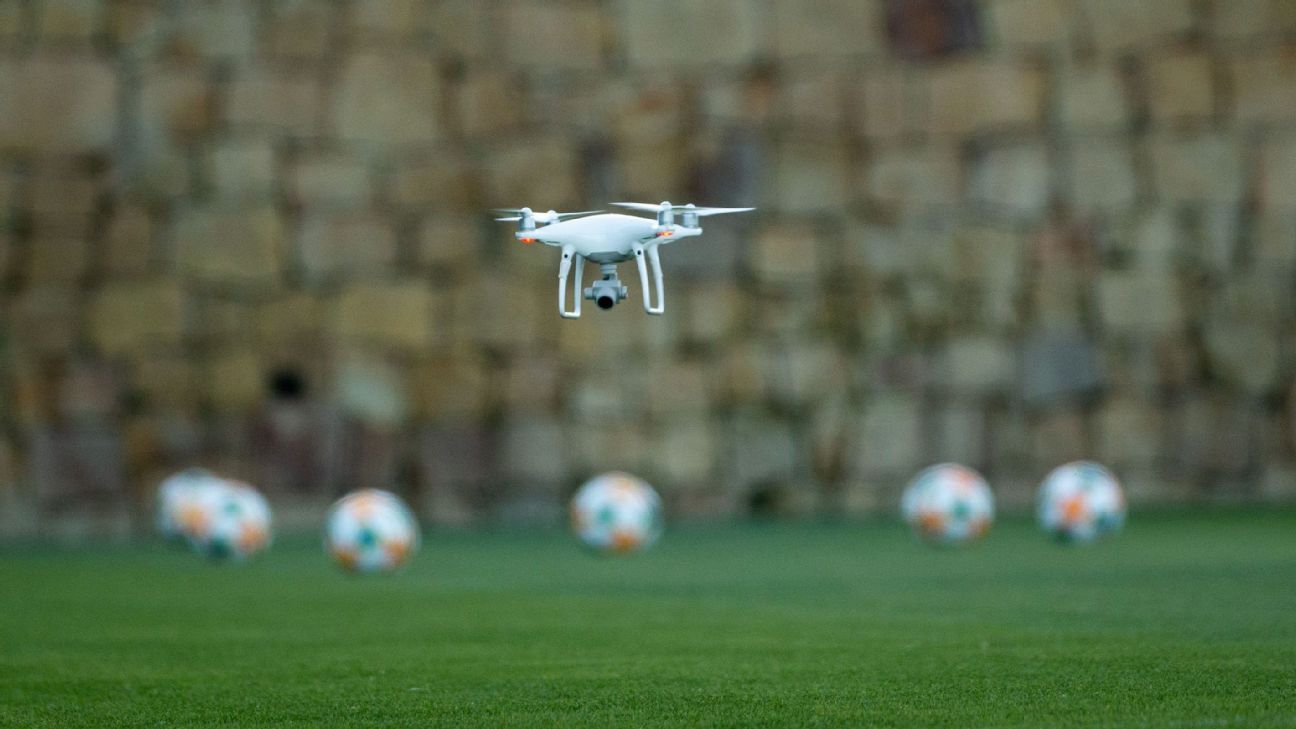
Soccer is full of people who are either (A) spying on someone; (B) actively worried that someone is spying on them; or (C) both. So how do they stop it?
The question of how to thwart opponent spy efforts has become a significant concern for national teams competing at the highest levels. The atmosphere surrounding major tournaments like the World Cup often involves intense scrutiny, where every move and strategy is analyzed by rival nations.
Teams employ various methods to protect their tactical information. This includes securing communication channels, limiting access to training facilities, and monitoring for unusual activity around team hotels and practice grounds. The goal is to prevent opponents from gaining an unfair advantage through stolen data or observations.
The concern extends beyond just the players and coaches. Support staff, analysts, and even medical personnel are part of the ecosystem that generates valuable intelligence. Protecting this information requires a comprehensive approach that involves both technological solutions and human vigilance.
As competitions intensify, the stakes for maintaining secrecy rise accordingly. Teams must balance the need for open communication within their own ranks with the necessity of keeping strategic plans hidden from adversaries. This delicate balance is crucial for success on the field.
The issue highlights the broader context of modern sports, where technology and espionage play increasingly prominent roles. It is not just about physical prowess but also about intellectual preparation and security measures that can make or break a campaign.
💬 Comments
📜 Comment Policy