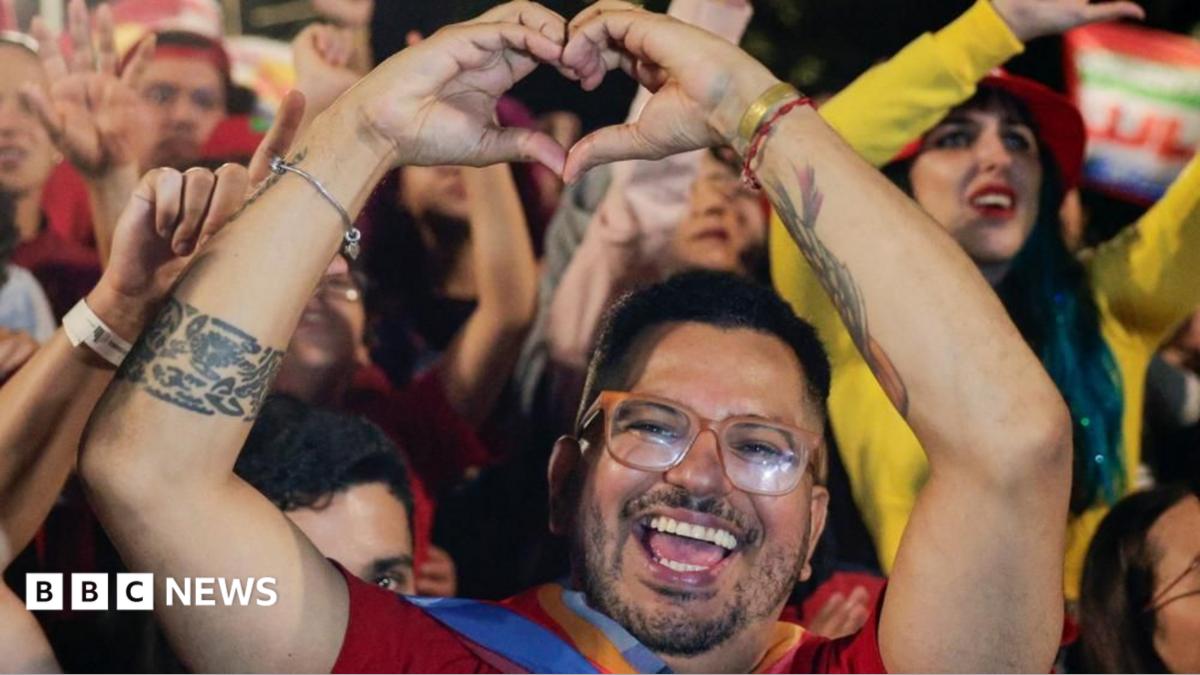
A WhatsApp channel called ‘Lula’s Army’ is being credited by allies of Brazilian President Luiz Inácio Lula da Silva with contributing to his re-election victory after trailing right-wing challenger Flávio Bolsonaro. The channel, led by Congressman André Janones, grew to 10.8 million followers and mobilized supporters to share campaign content and recruit voters. Lula’s victory saw him gain 10.3 million more votes than in the previous election.
Janones instructed supporters with specific tasks, including boosting video views and promoting hashtags, using directives like “urgent!” and “no food before the mission!” He also hosted a 24-hour livestream on the eve of the election. While some within the Workers’ Party worried Janones’s confrontational style might harm Lula’s more moderate image, Lula himself referred to Janones as “our General” in his victory speech, thanking him for raising morale.
Political scientist Denilde Holzhacker argues that a shift in Lula’s campaign strategy, connecting digital campaigning with broader outreach, was also key to his comeback. For years, supporters of former President Jair Bolsonaro had been seen as dominating online political mobilization, particularly on platforms like WhatsApp and Telegram. The emergence of ‘Lula’s Army’ is viewed by many as a demonstration of the left’s ability to compete in the digital arena, a space that has been central to Brazilian politics since Bolsonaro’s 2018 election. While Lula’s allies attribute the channel with fueling the comeback, political scientists caution that it is impossible to determine how many votes, if any, were directly influenced by the WhatsApp operation.
Our reading is that the article demonstrates a successful adaptation by Lula’s campaign to a digital landscape previously dominated by his political opponents. The creation and mobilization of ‘Lula’s Army’ appears to have been a deliberate strategy to counter that dominance, and the acknowledgment of its impact by both allies and analysts suggests it played a role in his victory. While the article rightly notes the impossibility of quantifying the channel’s direct influence on votes, the scale of its reach and the intensity of its mobilization efforts are noteworthy.
Read the original coverage
💬 Comments
📜 Comment Policy