Webb and Hubble Reveal Terzan 5 is Not a Globular Cluster
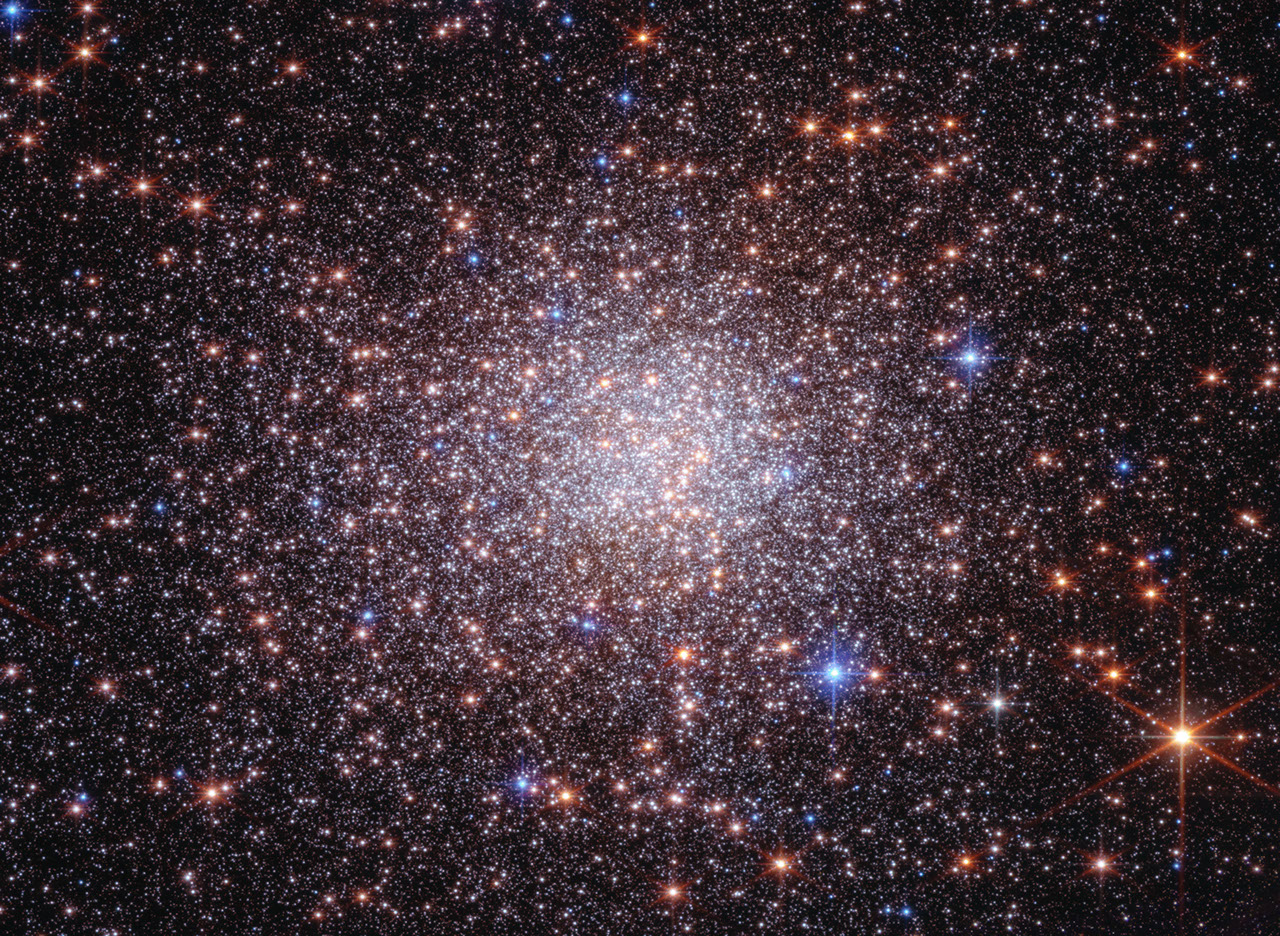
Researchers utilizing two of humanity's most powerful observatories, NASA’s James Webb Space Telescope and the Hubble Space Telescope, have definitively demonstrated that Terzan 5 is not a globular star cluster as previously classified. This discovery offers new insight into how galaxies like our own form and evolve over time.
A globular star cluster typically has only one generation of stars, but the analysis of Terzan 5 reveals a more complex history. The object contains multiple generations of stars, indicating it is likely the relic of a dwarf galaxy that was absorbed by the Milky Way during its formation. This finding challenges previous astronomical classifications and provides critical data on galactic evolution.
The James Webb Space Telescope provided high-resolution infrared observations that allowed scientists to peer through dust clouds and identify individual stars within Terzan 5 with unprecedented clarity. These observations were crucial in determining the age and composition of the star populations. The Hubble Space Telescope contributed complementary visible-light data, helping to refine the measurements of stellar distances and velocities.
By combining data from both telescopes, astronomers were able to construct a detailed timeline of Terzan 5’s history. The results show that the object formed stars in distinct bursts over billions of years, a characteristic inconsistent with typical globular clusters. Instead, it aligns more closely with the remnants of ancient dwarf galaxies that merged with larger systems.
This research highlights the importance of multi-wavelength observations in modern astronomy. The synergy between Webb’s infrared capabilities and Hubble’s visible-light precision has enabled scientists to resolve long-standing debates about the nature of Terzan 5. The findings contribute to a broader understanding of how the Milky Way grew by absorbing smaller satellite galaxies.
The study underscores the evolving nature of astronomical knowledge. As technology advances, previously accepted classifications are re-evaluated. Terzan 5’s reclassification serves as a reminder that our understanding of the universe is dynamic and subject to revision based on new evidence. The collaboration between NASA’s flagship observatories continues to drive breakthroughs in astrophysics.
💬 Comments
📜 Comment Policy