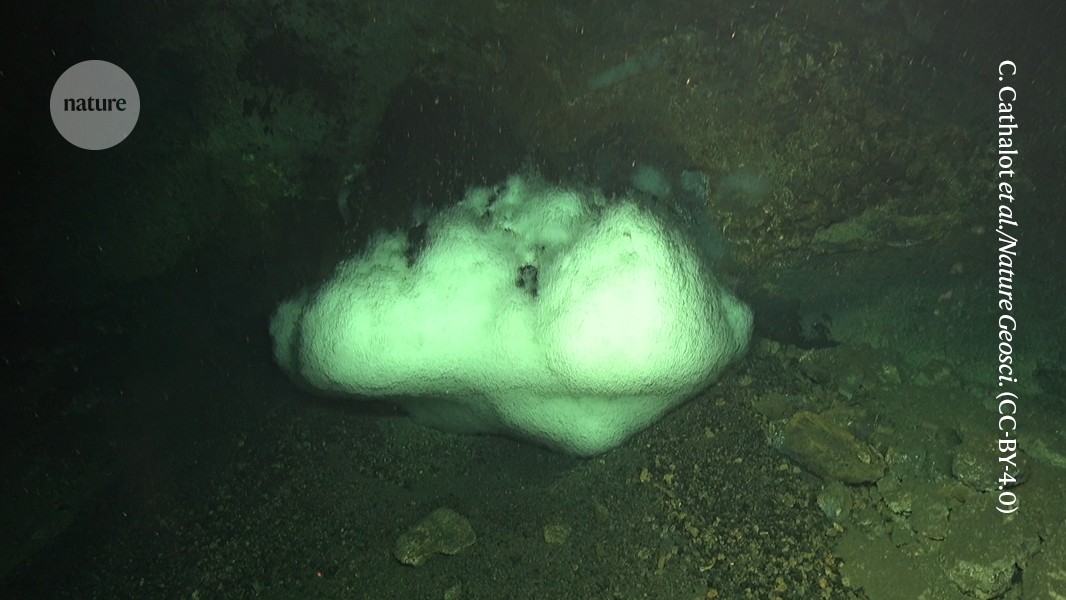
Volcanic magma beneath the sea floor is creating unusual dome-shaped formations, according to a recent study published in Nature. These structures, which can reach up to five metres in height, are formed as carbon dioxide bubbles up from underground material and solidifies. The discovery sheds new light on the dynamic processes occurring beneath the ocean's surface.
The research highlights the role of volcanic activity in shaping underwater landscapes. As magma moves through the crust, it releases gases that contribute to the formation of these domes. This process is not only a geological curiosity but also provides insight into the broader mechanisms of Earth's tectonic activity.
Scientists involved in the study emphasize the importance of understanding these formations to better predict volcanic behavior and its impact on the surrounding environment. The findings could also have implications for future underwater exploration and resource management.
The study was published online on 24 June 2026, and is available for further reading at the provided link.
We don't rate truth. We strip the spin and show you which perspectives covered the story. You decide.
Read the original coverage
💬 Comments
📜 Comment Policy