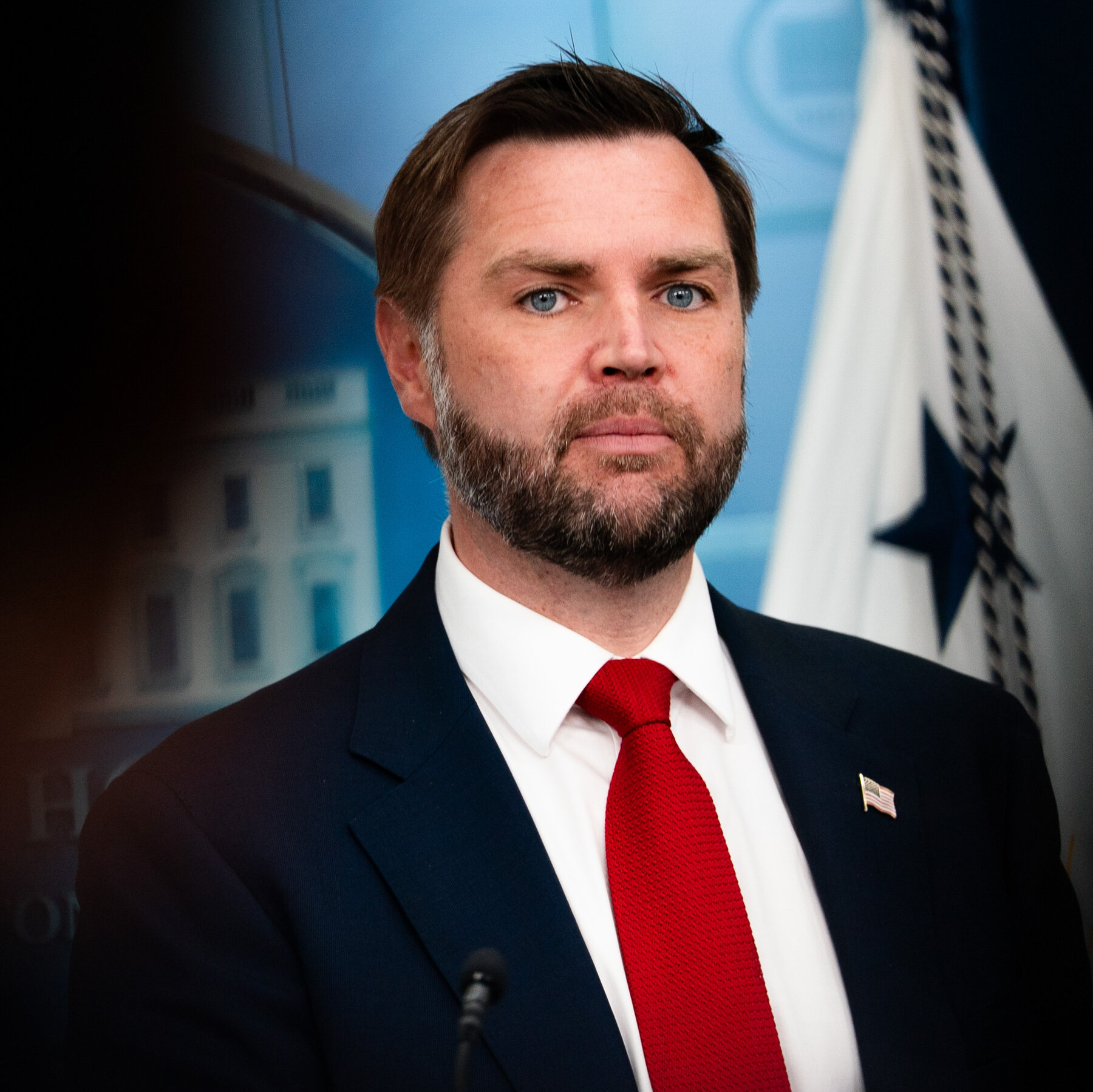
Vice President JD Vance has postponed a planned trip to Switzerland, where he was initially expected to attend a signing ceremony for a nuclear agreement with Iran. The White House confirmed on Thursday that Vance will not depart for face-to-face negotiations in Switzerland as originally scheduled. This decision comes as the United States and Iran begin a 60-day countdown aimed at reaching a new nuclear deal.
According to reports from Axios, Vice President JD Vance postponed the planned trip to Switzerland for U.S.-Iran talks that were expected to begin on Friday. The White House stated that the arrangements for his travel had been delayed but emphasized that Vance remains ready to travel if necessary. In a statement, the White House indicated that the administration views the situation as complex, noting that Iran war talks are not simple matters requiring careful coordination.
The Washington Examiner reported that Vice President JD Vance postponed his trip at the last minute on Thursday before he was supposed to travel abroad to take the next step in the Iran talks. The outlet noted that Vance was initially set to sign a deal to end the war, but the timeline has shifted as negotiations continue. Al Jazeera reported that the U.S. vice president announced the start of a 60-day negotiating period between Washington and Tehran following the signing of a deal to end the war.
The delay in Vance's travel has drawn attention from international observers. Middle East Eye reported that Iranian negotiators also delayed their departure for Switzerland talks after Israeli strikes occurred in southern Lebanon. This suggests that security concerns or regional developments may be influencing the timing of diplomatic engagements on both sides. The New York Times reported that Mr. Vance said earlier at a press briefing that he did not know if he would travel to Switzerland on Friday for the talks, where he was initially expected for a signing ceremony.
The scope and timeline of the negotiations have been a subject of discussion among experts. The Straits Times noted that many nuclear experts say 60 days is not enough time to work out something so complex and technical. This perspective highlights the challenges facing the diplomatic efforts as the two nations attempt to resolve their nuclear disputes within the specified timeframe.
The current status of the talks remains fluid. While the White House has confirmed the delay in Vice President Vance's travel, it has maintained that he is prepared to go should the situation require his presence. The 60-day clock for negotiations has started, marking a critical period for U.S.-Iran relations. The involvement of multiple international media outlets, including Bloomberg, Axios, the Washington Examiner, Al Jazeera, Middle East Eye, SCMP, and the Straits Times, underscores the global interest in the outcome of these diplomatic efforts.
No right-leaning sources provided additional distinct framing beyond the reporting of the delay itself as covered by the Washington Examiner. The coverage reflects a mix of political and diplomatic developments, with emphasis on the logistical changes to high-level negotiations and the technical challenges identified by experts.
Read the original coverage
💬 Comments
📜 Comment Policy