Vance Attributes Republican Midterm Losses to Iran War
AI-synthesized · Bias removed · Facts only
3 sources: 2 left · 1 center · 0 right
Facts are sacred. Opinion is labelled.
Image: Guardian Us
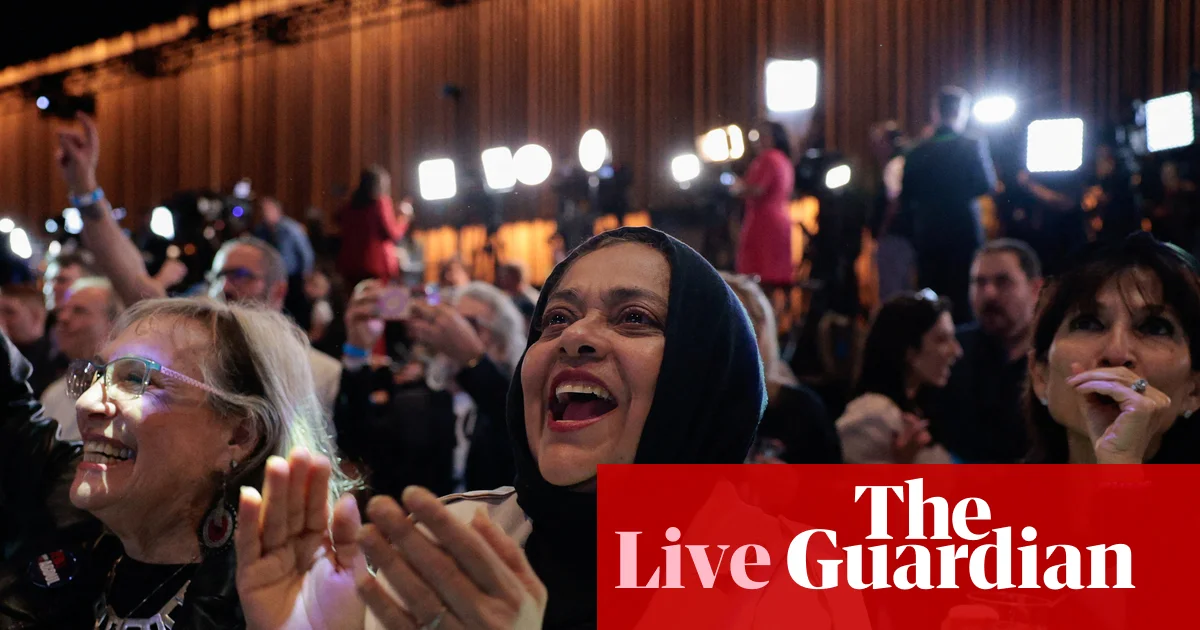
Vice President JD Vance has publicly attributed the Republican party’s significant losses in the 2026 midterm elections to the ongoing war in Iran. Following a “blue tsunami” that saw Democrats retake control of both the House and Senate, Vance stated on X, and in comments reported by multiple outlets, that the war was “the reason we lost.” He suggested that those who believe the war was worth the cost of losing the Senate for six years should openly acknowledge that trade-off. The claim comes as Vance seeks to distance himself from the conflict, which was launched by former President Trump alongside Israel in February, and ahead of a potential 2028 presidential run.
Several sources indicate a broad rejection of Trump’s policies and personal unpopularity, alongside concerns about the cost of living, contributed to the Democratic victory. The Independent reported that even traditionally conservative states, like Texas, shifted towards the Democratic party. The mood within the White House was described as grim, with Trump reportedly falling silent as results came in and blaming Fox News for unfavorable coverage. Pope Leo XIV, who has previously clashed with Trump over immigration and the war in Iran, praised the US history of welcoming migrants while urging Americans to uphold the ideals of the Declaration of Independence.
Democrats are now positioned to pursue their domestic agenda, while Trump faces potential investigations. Speaker Mike Johnson will not seek re-election as House Republican leader. Notably, Abdul El-Sayed became the first Muslim member of the US Senate, winning a seat in Michigan, while lower-income voters shifted towards the Democratic party in this election cycle.
Where they differ
- The Independent and Middle East Eye emphasized the internal turmoil within the Trump administration following the election results, detailing the mood in the White House residence and Trump’s reaction.
- The Guardian highlighted Pope Leo XIV’s criticisms of Trump’s policies and his praise of American ideals, framing it as a rebuke to the former president.
- The Hindu focused on the election of Abdul El-Sayed as the first Muslim member of the US Senate and the shift in support from lower-income voters.
- Axios provided the most concise reporting, focusing solely on Vance’s statement and its implications.
What is not yet known
- The full extent to which the Iran war influenced voter decisions remains unquantified.
- The specific policy priorities Democrats will pursue with their regained control of Congress are not fully detailed in these sources.
Background
- Donald Trump launched military strikes against Iranian targets in February 2026, sparking an eight-month conflict, with negotiations led by Qatar attempting to resolve the situation [Fact Refinery, 2026-11-03].
- Vice President JD Vance has been involved in diplomatic efforts with Iran, including sending a letter to a top Iranian security official seeking a path to sanctions relief [Fact Refinery, 2026-10-29].
- The 2026 midterm elections saw Democrats retake control of both the House and Senate, with several sources noting a shift in traditionally conservative states [Fact Refinery, 2026-11-04].
- Amy Acton won the Ohio Governor’s race, ending 16 years of Republican leadership in the state, signaling a shift in the state’s political landscape [Fact Refinery, 2026-11-04].
Our reading
Our reading is that Vice President Vance’s public attribution of Republican midterm losses to the war in Iran is a strategic attempt to distance himself and the party from a conflict perceived as politically damaging. The statement appears to be a calculated effort to reframe the narrative, suggesting the cost of the war outweighs any potential benefits, and to position Vance as a potential leader who recognizes the need for a different approach. We interpret this as a move towards a potential 2028 presidential run, attempting to appeal to voters concerned about the war’s economic and political consequences.
What to watch
- Whether Democrats will publicly respond to Vance’s statement, potentially using it to further highlight the perceived failures of Trump’s foreign policy [check news outlets for Democratic leadership statements].
- The timeline for any potential resumption of negotiations with Iran, and whether Vance will continue to play a leading role in those talks [monitor statements from the State Department and Qatari mediators].
- Any shifts in oil prices or military activity in the Strait of Hormuz, which could indicate a change in the status of the conflict [track data from the US Energy Information Administration and reports from US Central Command].
💬 Comments
📜 Comment Policy