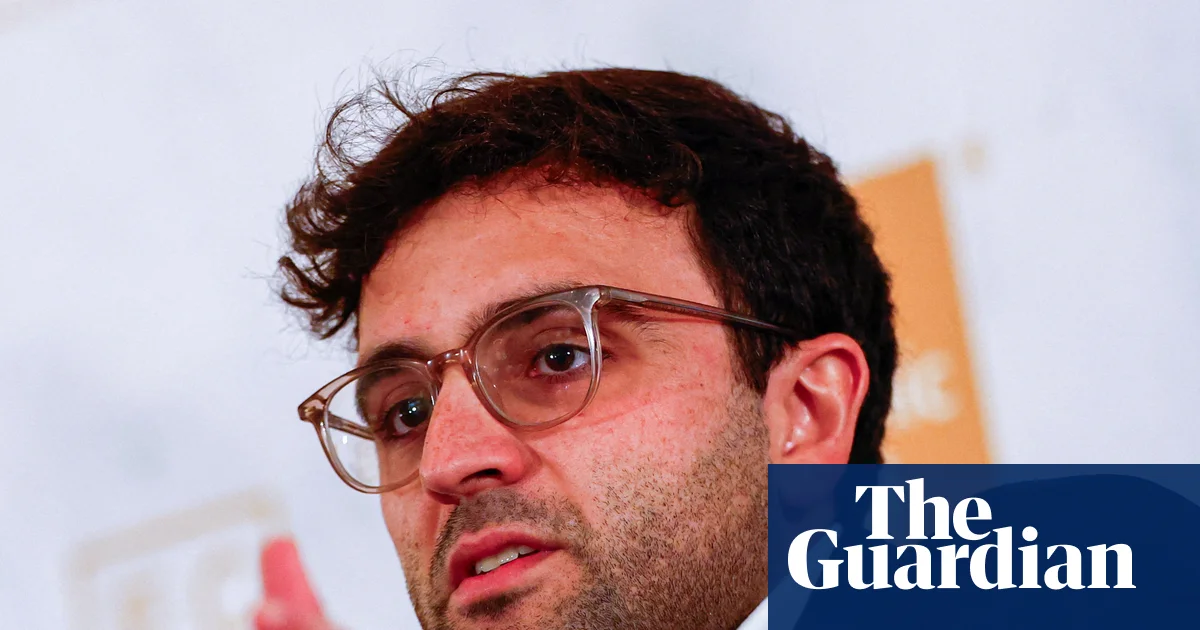
Utah has filed felony criminal charges against prediction market operator Kalshi and its co-founders, Tarek Mansour and Luana Lopes Lara, months after a federal judge rejected the company’s attempt to prevent enforcement of the state’s anti-gambling laws. The charges include 13 counts of violating Utah’s prohibition on gambling and one count of profiting from illegal activity. Utah Attorney General Derek Brown stated that Kalshi has continued to operate within the state despite the court ruling, asserting that “Gambling is illegal in Utah, whether you place the bet, run the game, or promote it.” Kalshi responded by calling the charges a “crazy overreach” and alleging that Utah is acting for political reasons, referencing a previous successful legal challenge in Arizona.
This action represents a new tactic in how states are attempting to regulate the expanding prediction market activity, a conflict expected to escalate to the U.S. Supreme Court. Litigation is currently spread across approximately 20 states, creating a fragmented legal landscape. Kalshi maintains that prediction markets fall under exclusive federal jurisdiction and are not subject to state gambling laws. The Commodity Futures Trading Commission, under the Trump administration, has supported this position and has sued at least 10 states, including Utah, to prevent state regulation of these markets. Arizona previously filed criminal charges against Kalshi earlier this year, but the case was put on hold.
Our reading is that Utah is pursuing an aggressive legal strategy against Kalshi despite federal arguments for exclusive jurisdiction, signaling a willingness to directly challenge the established legal framework surrounding prediction markets. The state’s insistence on pursuing charges even after a federal judge rejected a similar attempt suggests a political motivation beyond simply enforcing existing laws, as Kalshi alleges. The fragmented legal landscape and ongoing litigation across multiple states highlight the increasing tension between state and federal authority in this emerging market.
Read the original coverage
💬 Comments
📜 Comment Policy